
Northeastern Peloponnese

We based ourselves for a week outside of the beautiful town of Nafplion, and we explored the area from there. After a week, we moved further north to the Corinth area for a week.
Nafplion
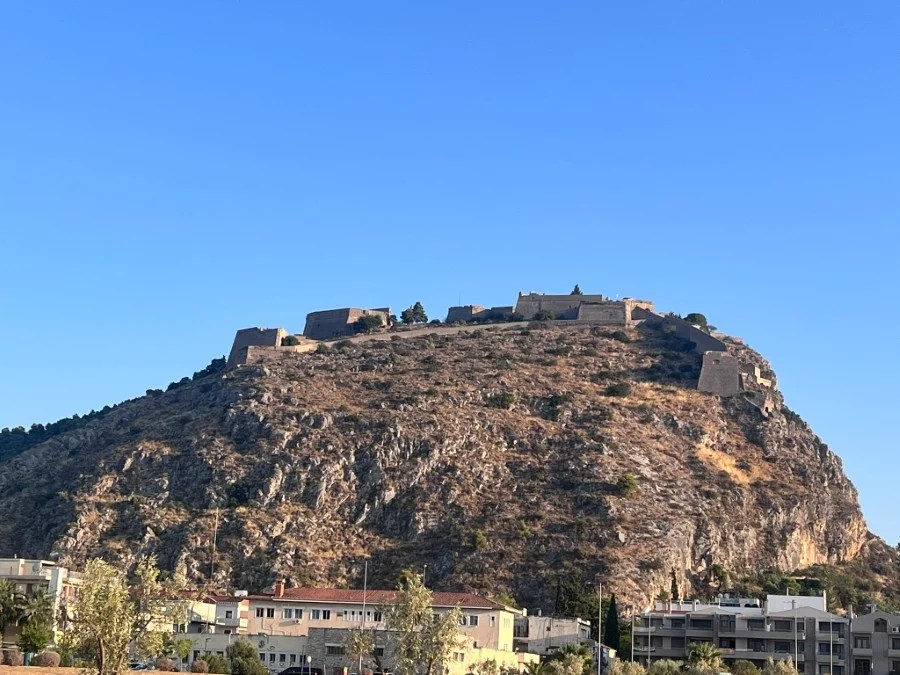
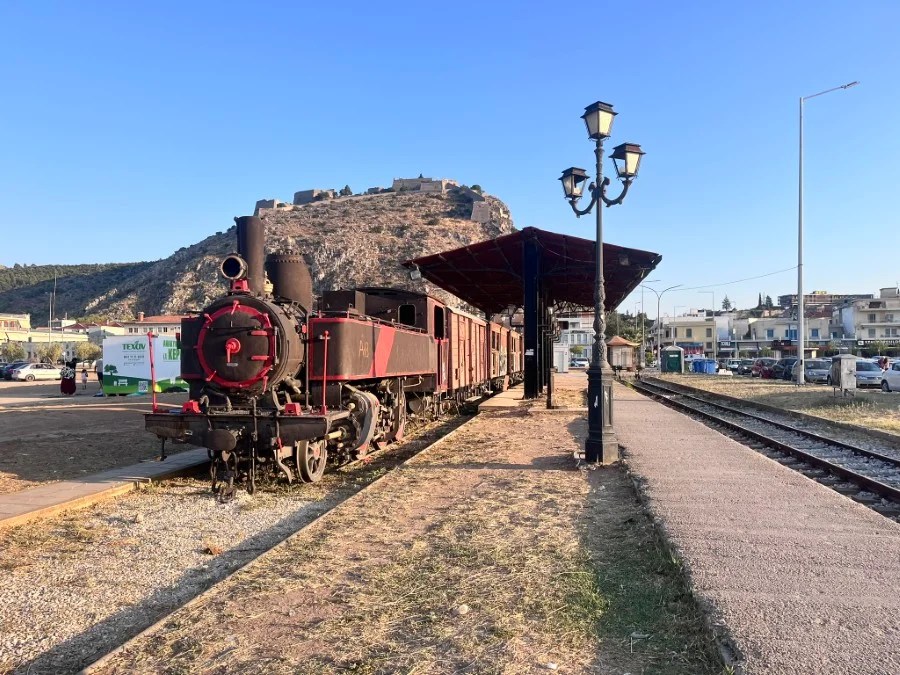
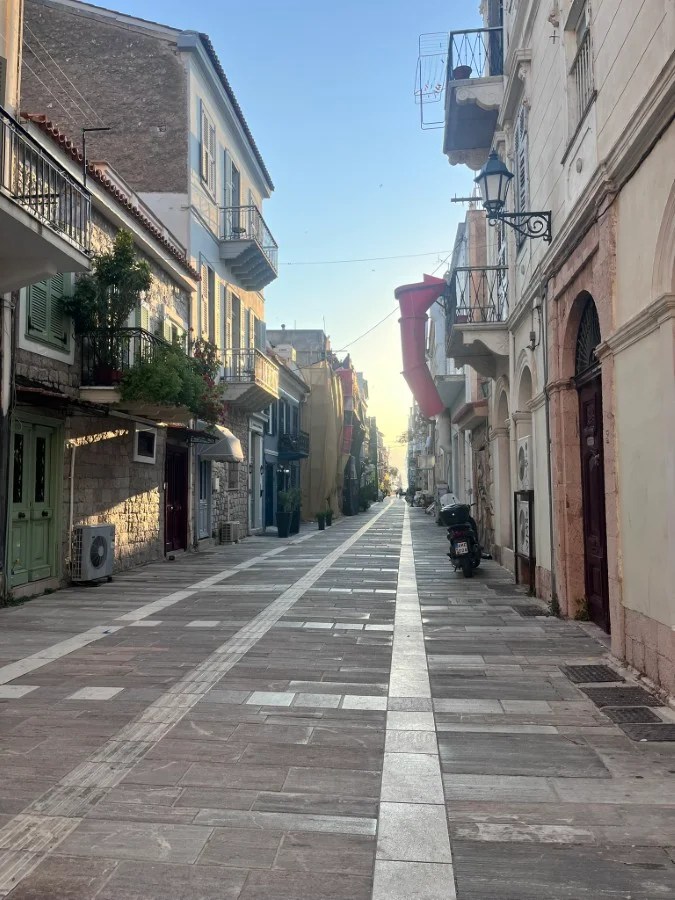
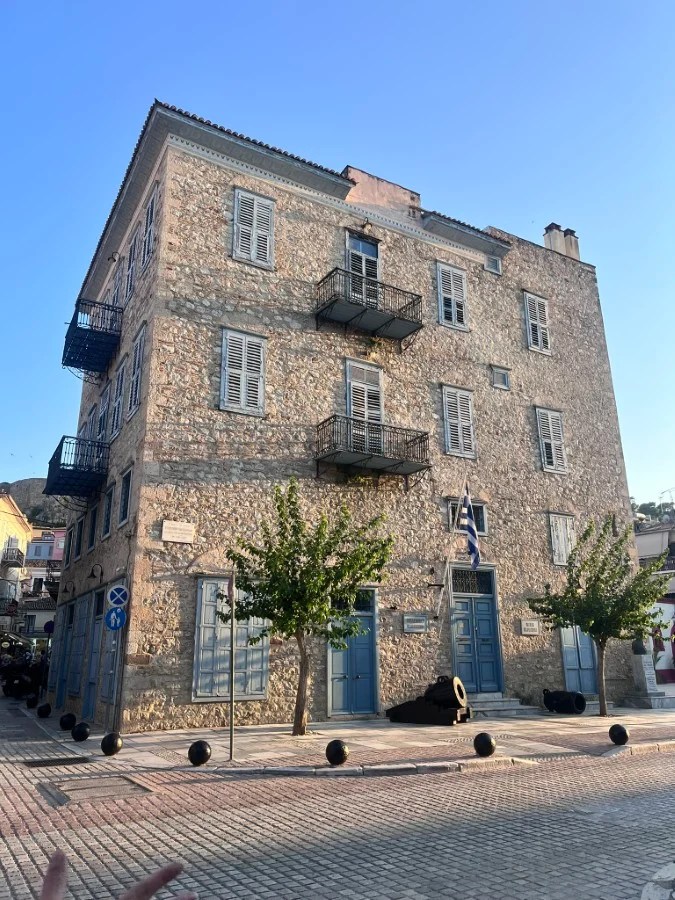
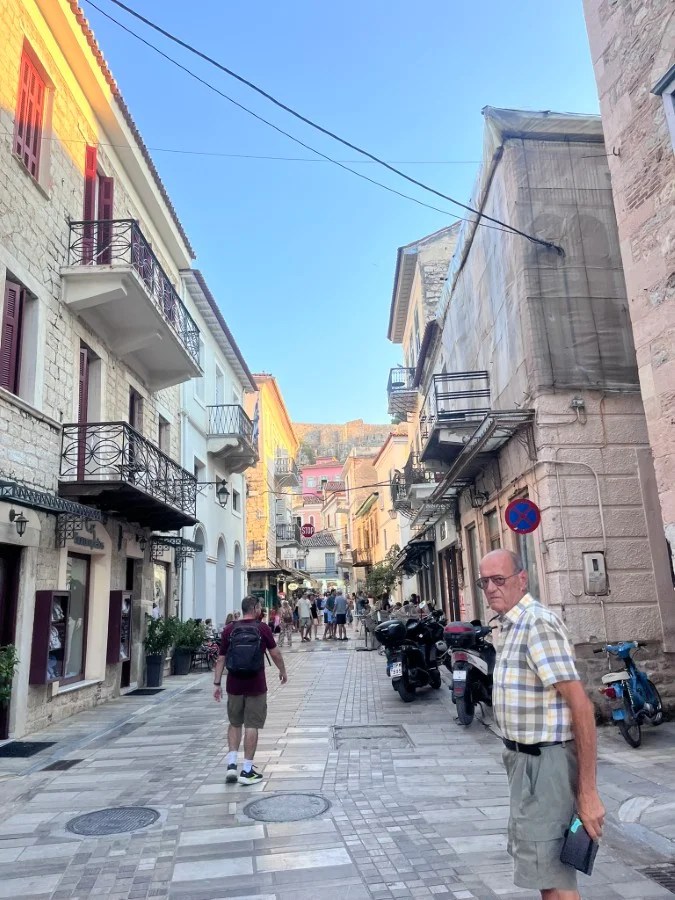
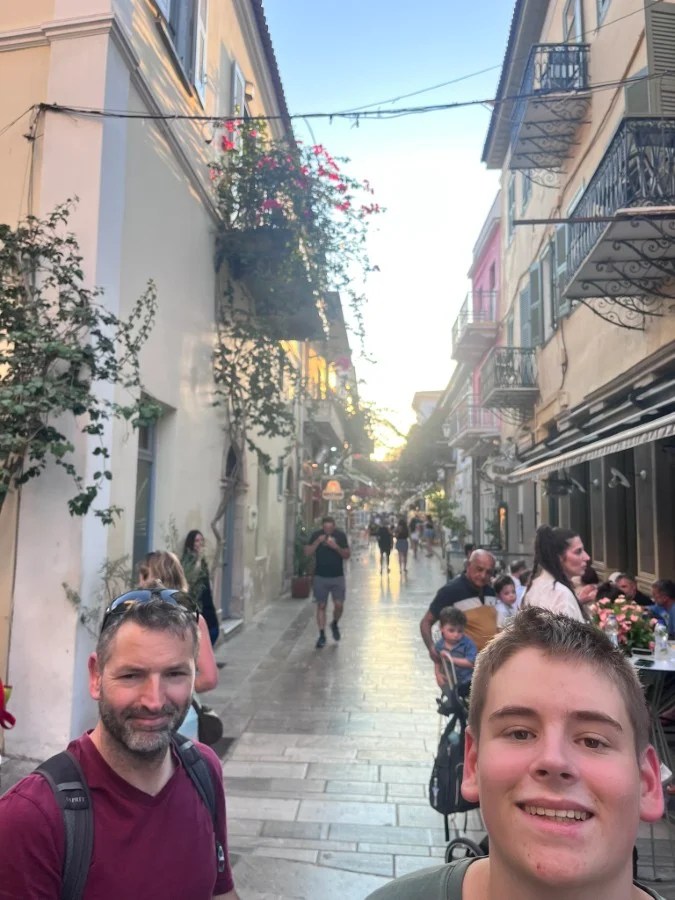
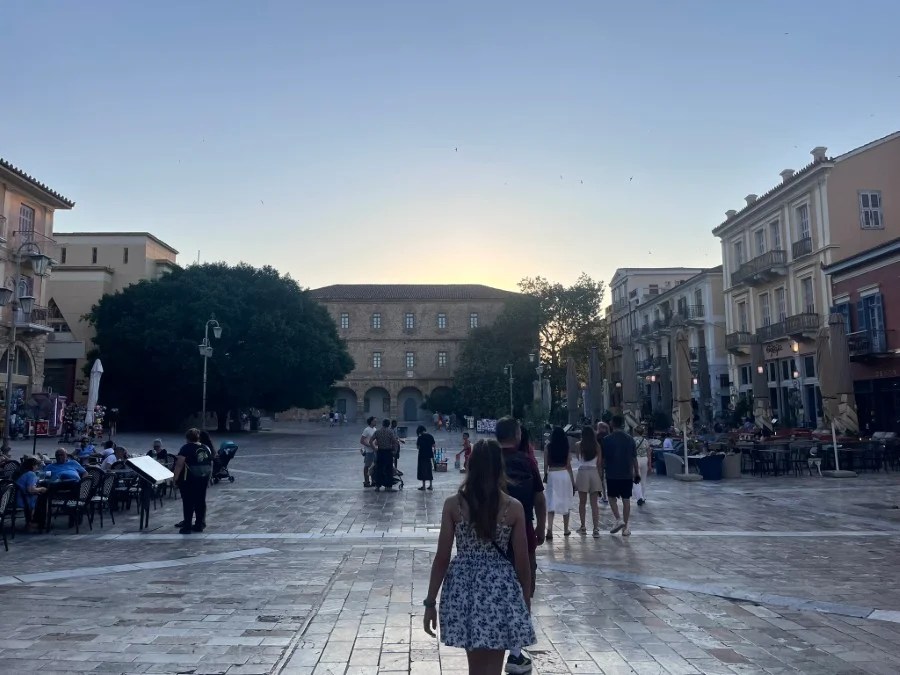
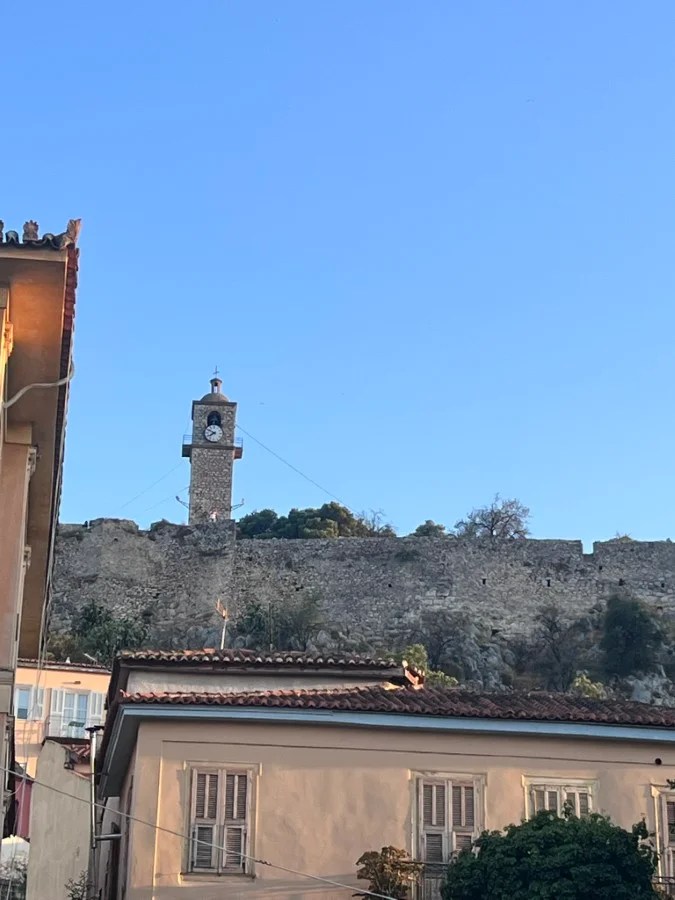
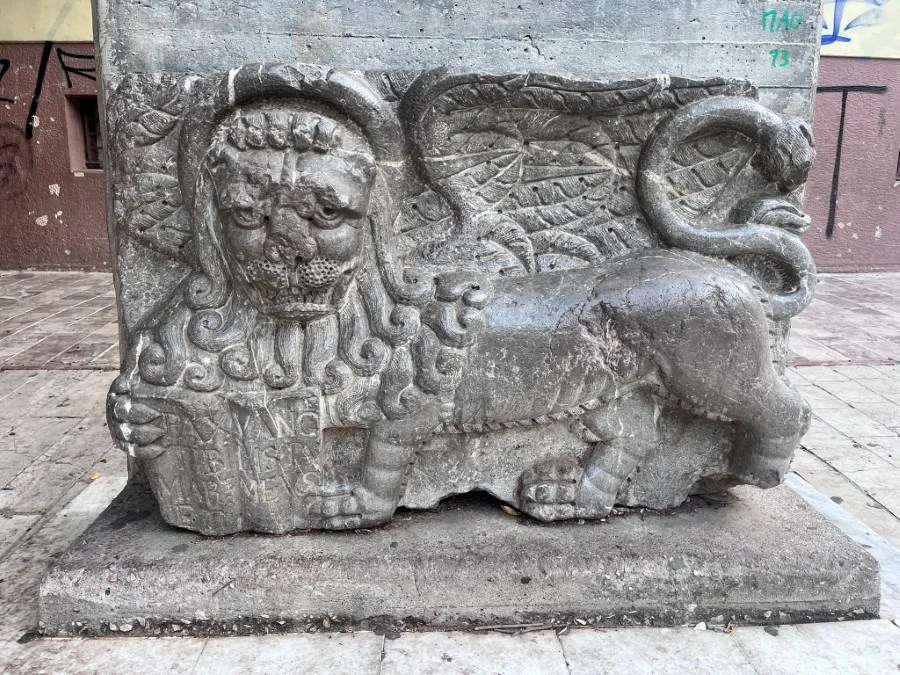
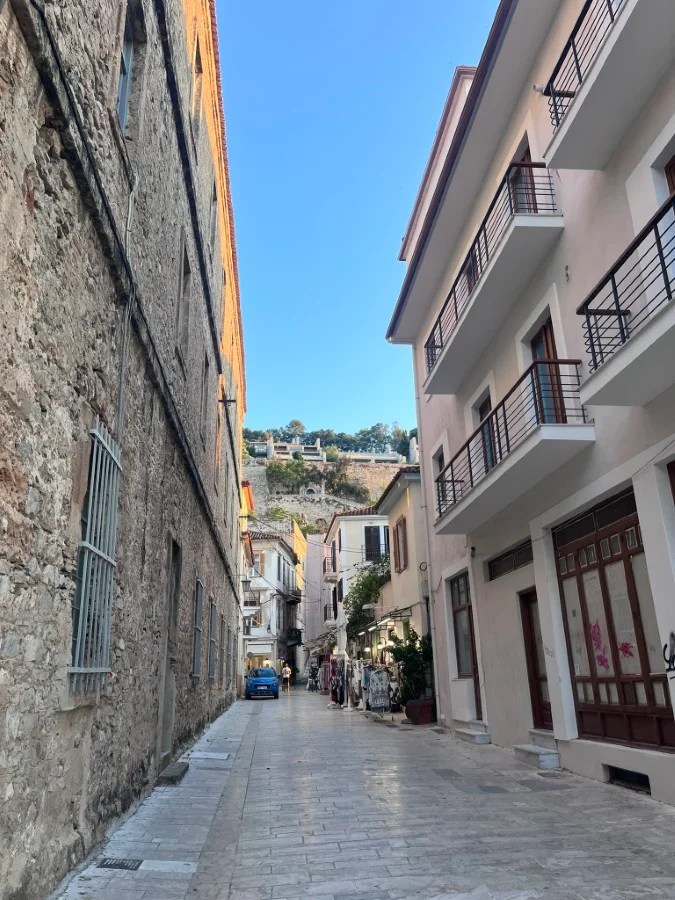
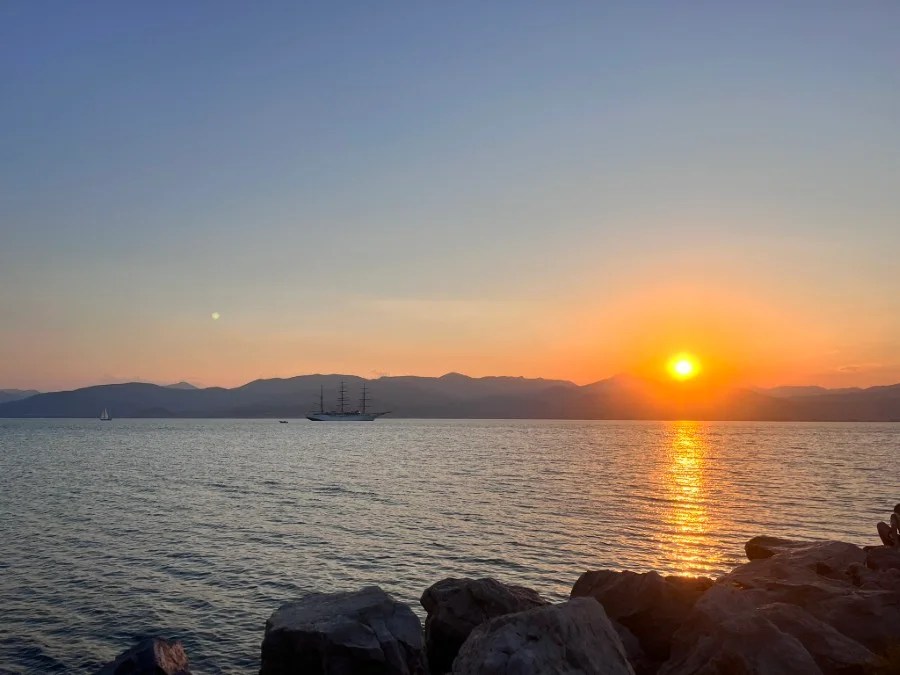
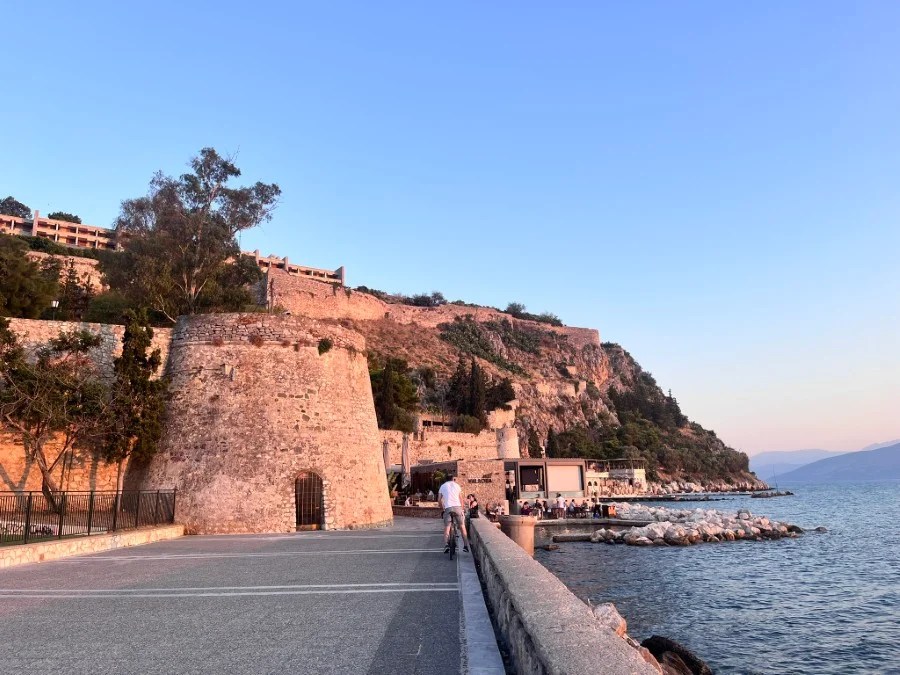
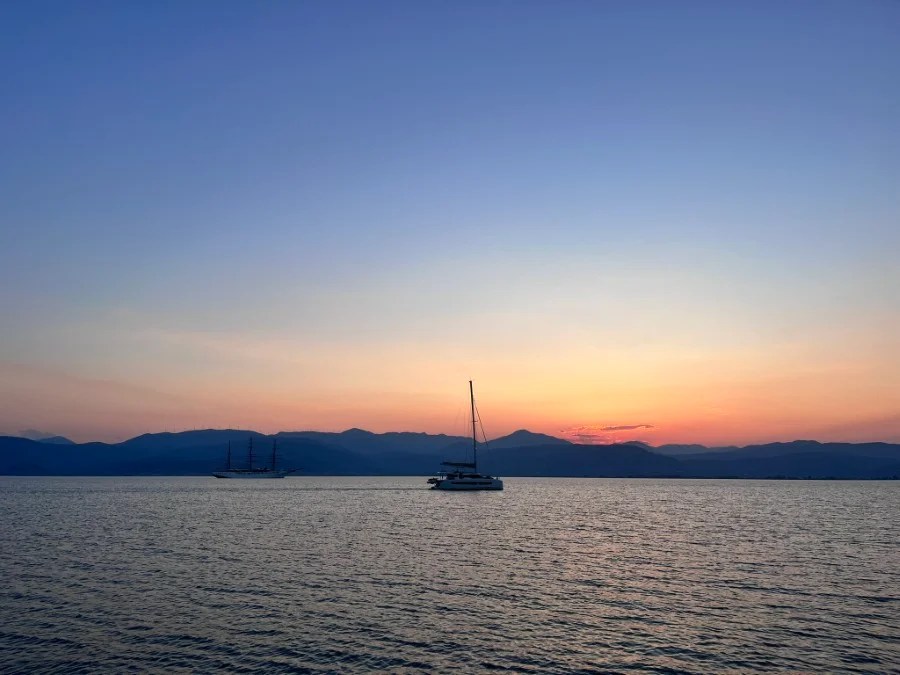
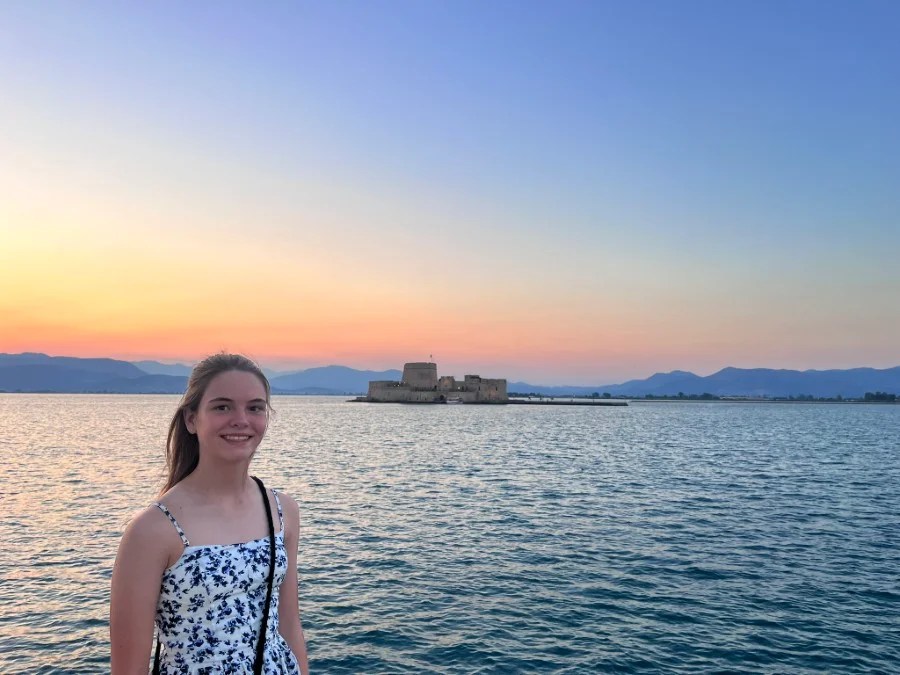
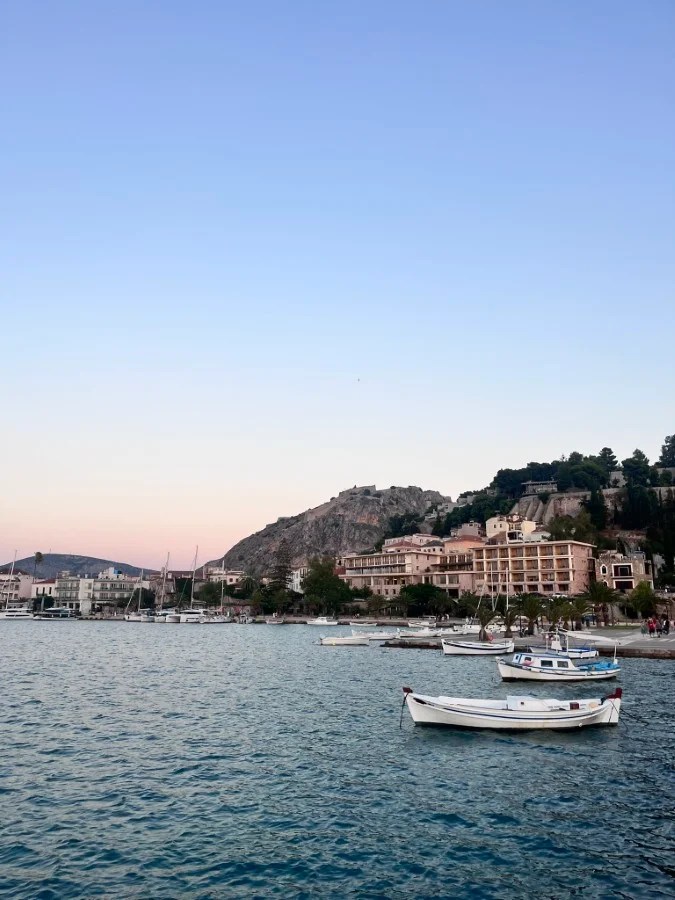
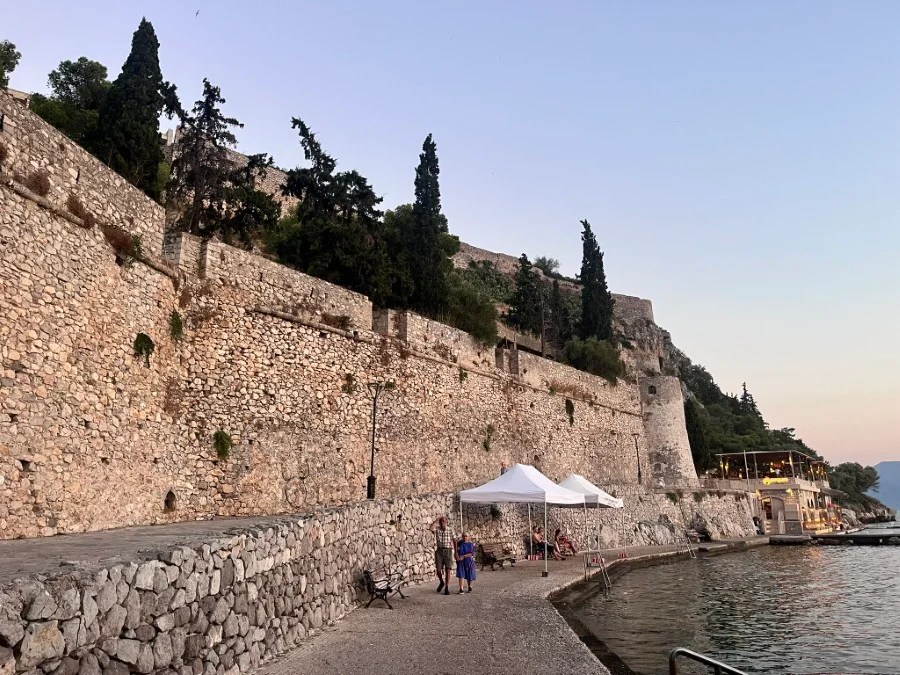
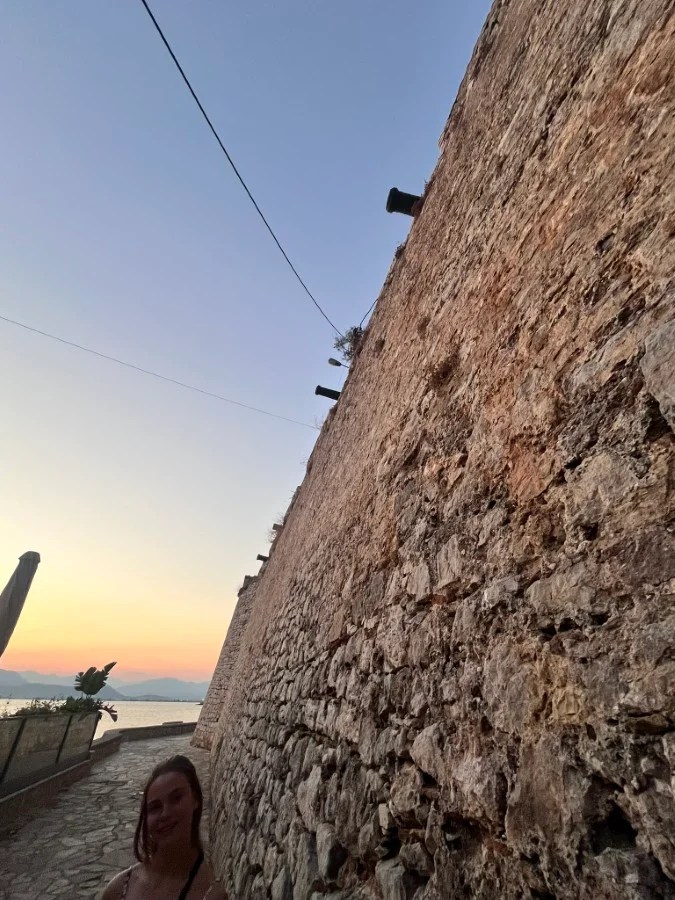
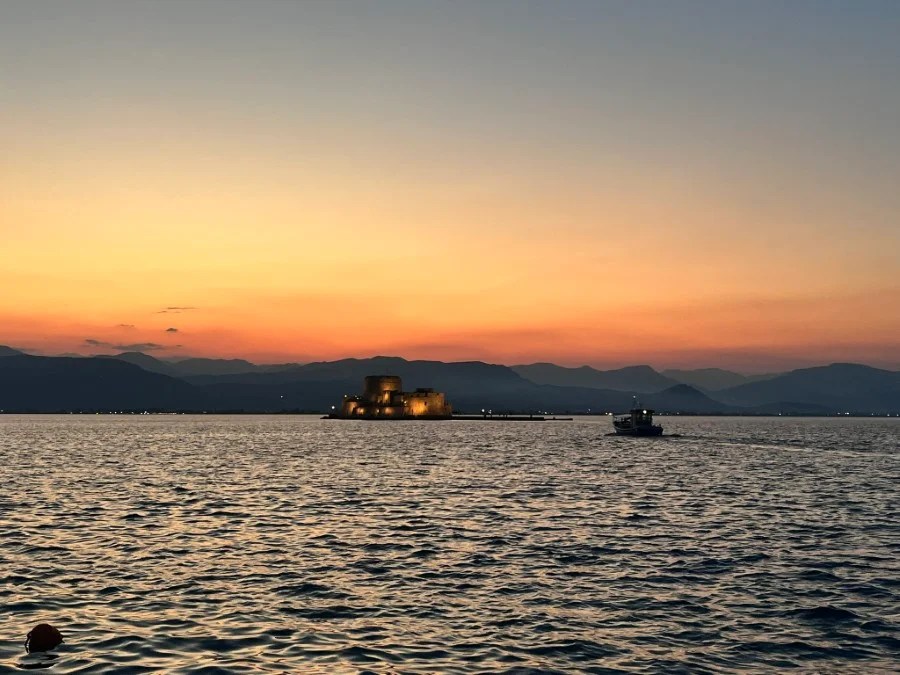
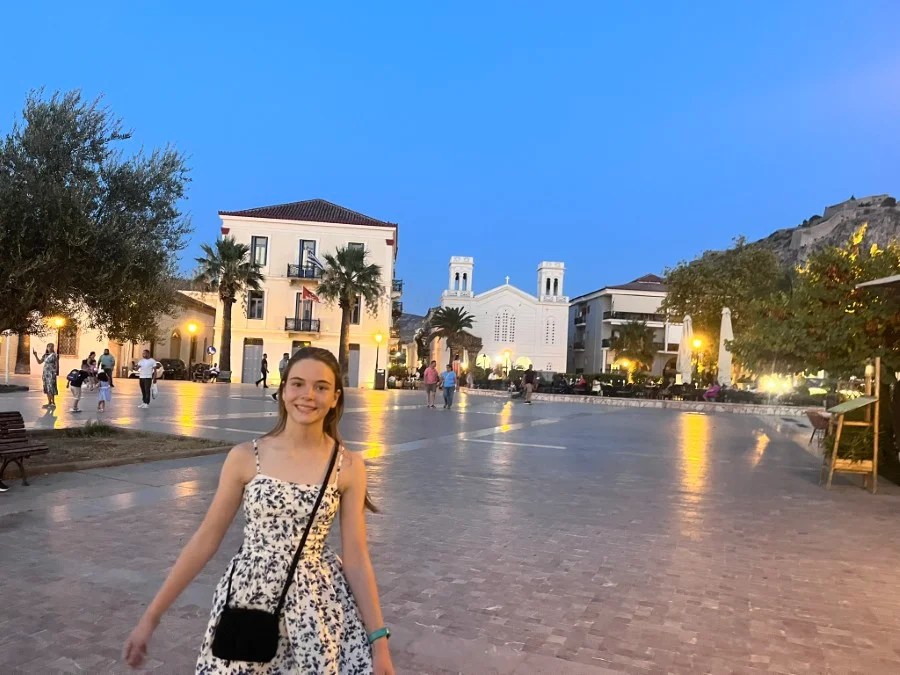
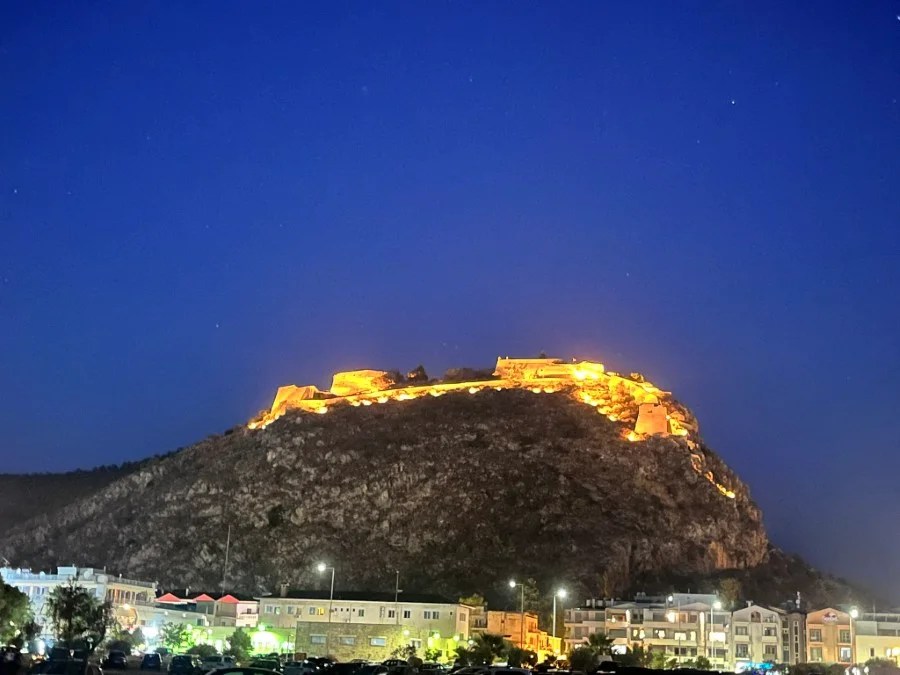
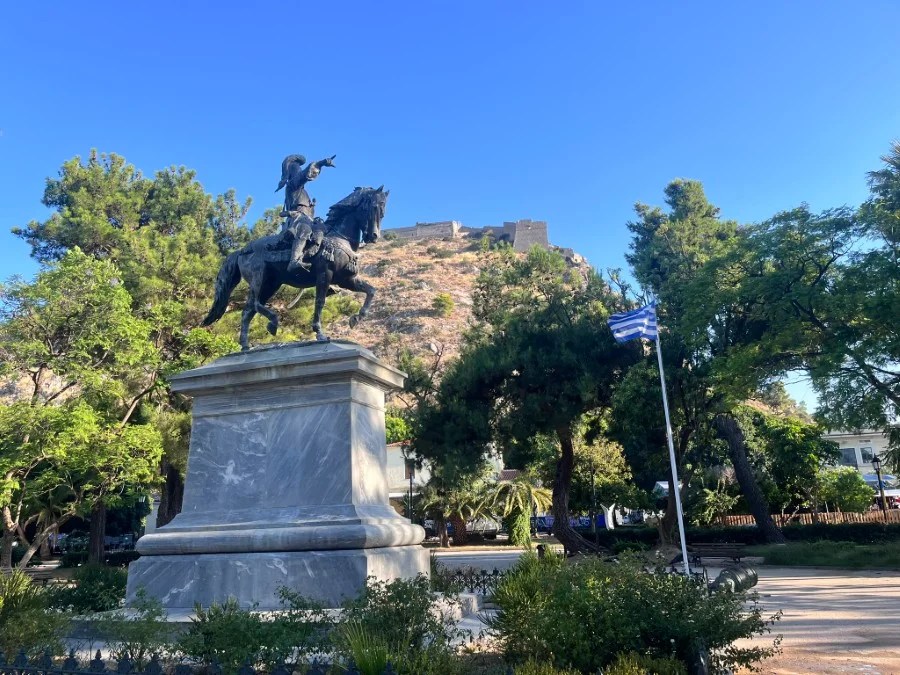
R really fell in love with this town and says it might be his favourite in the Peloponnese. It had a nice older town, a lot of coastline with expensive yachts, and a castle on the hill overlooking the town.
Ancient Mycenae
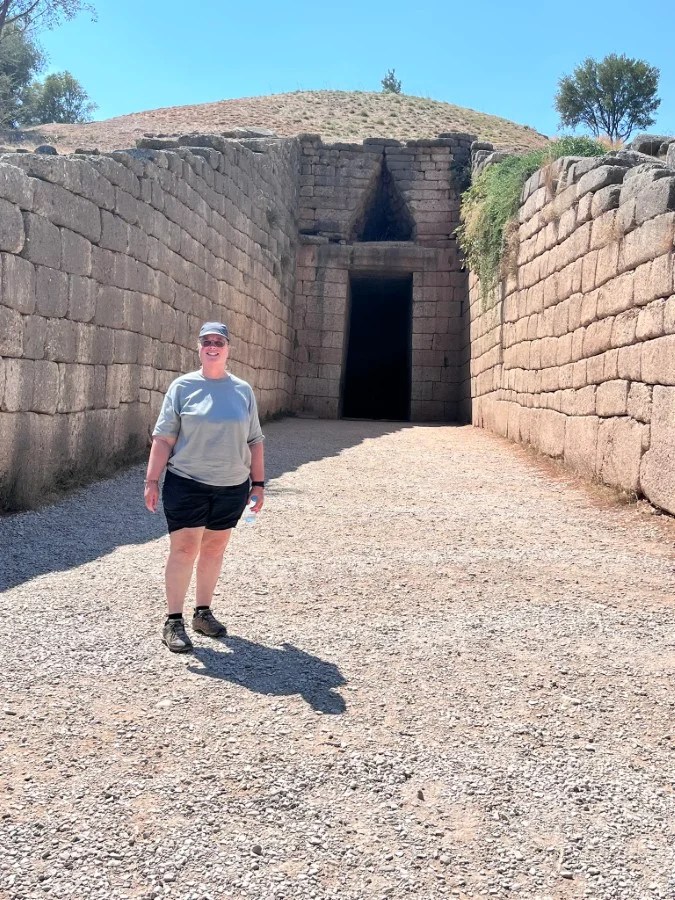
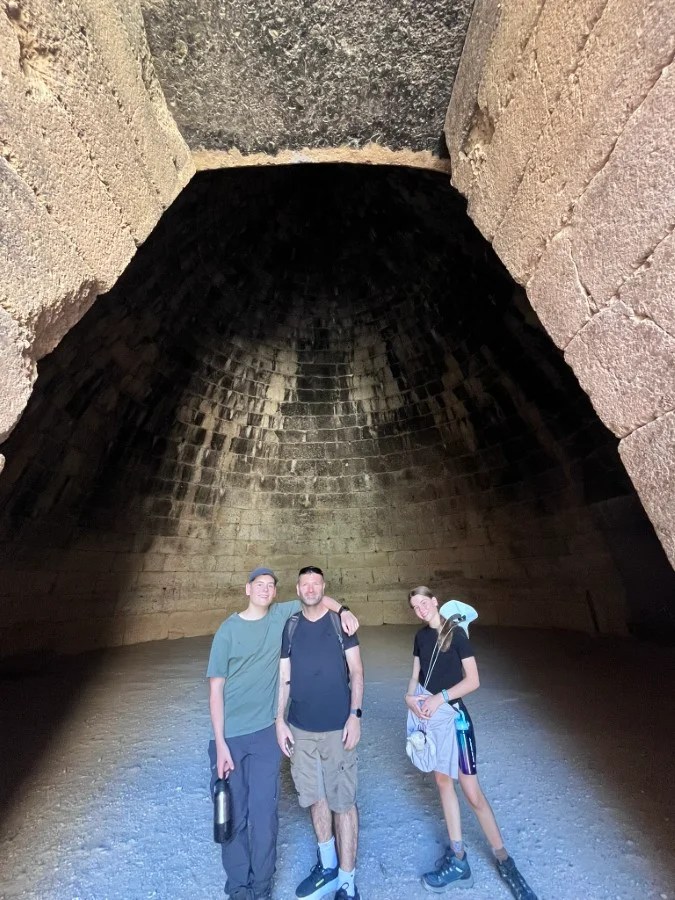
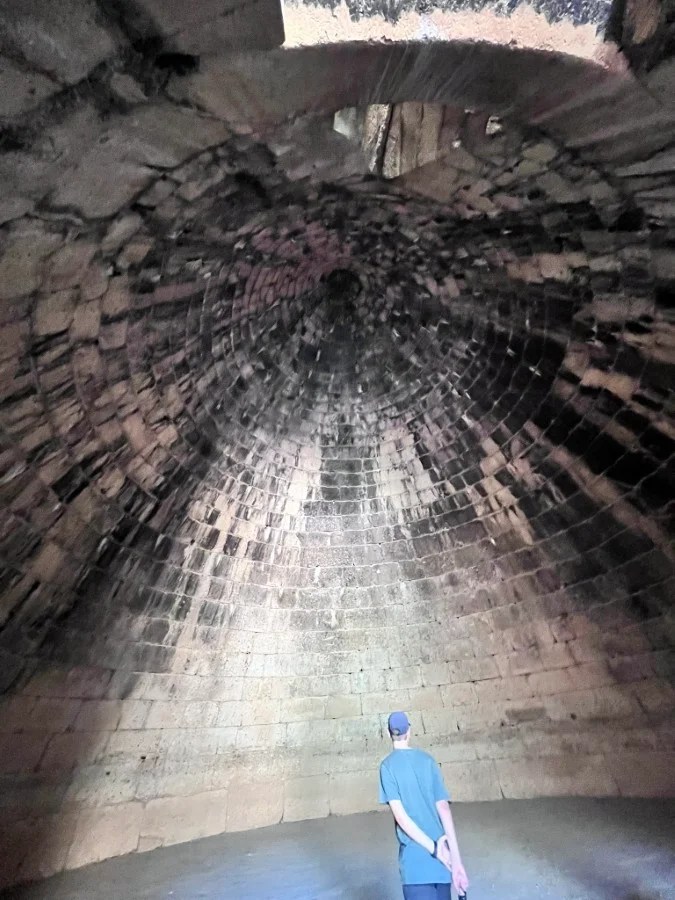
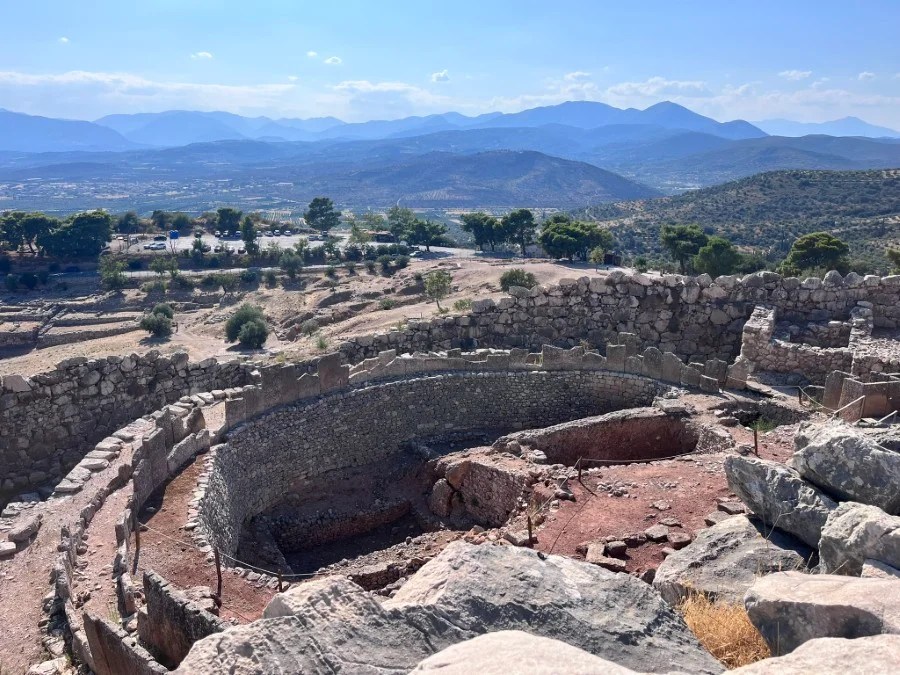
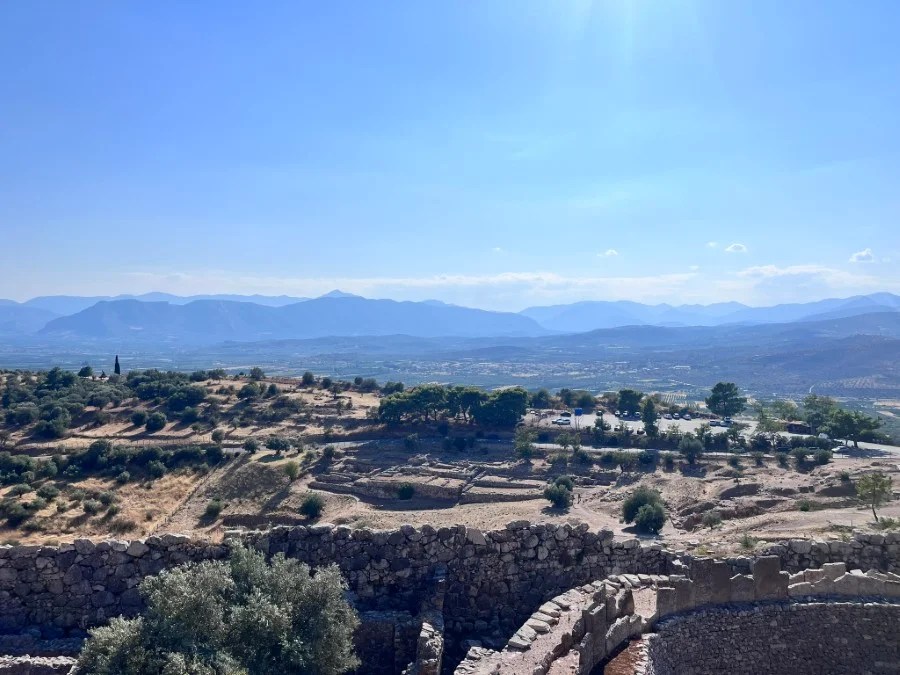
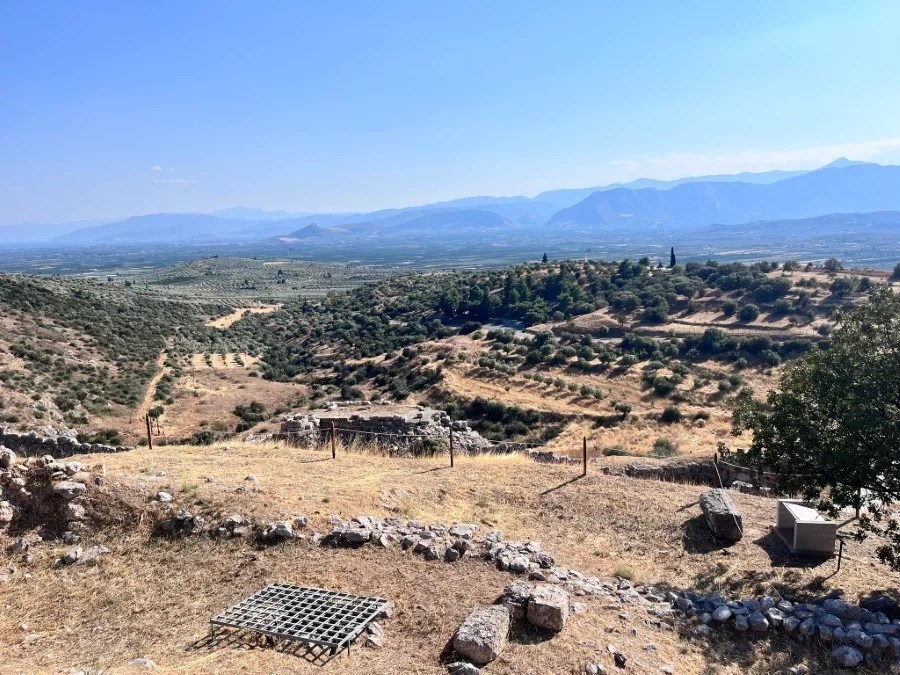
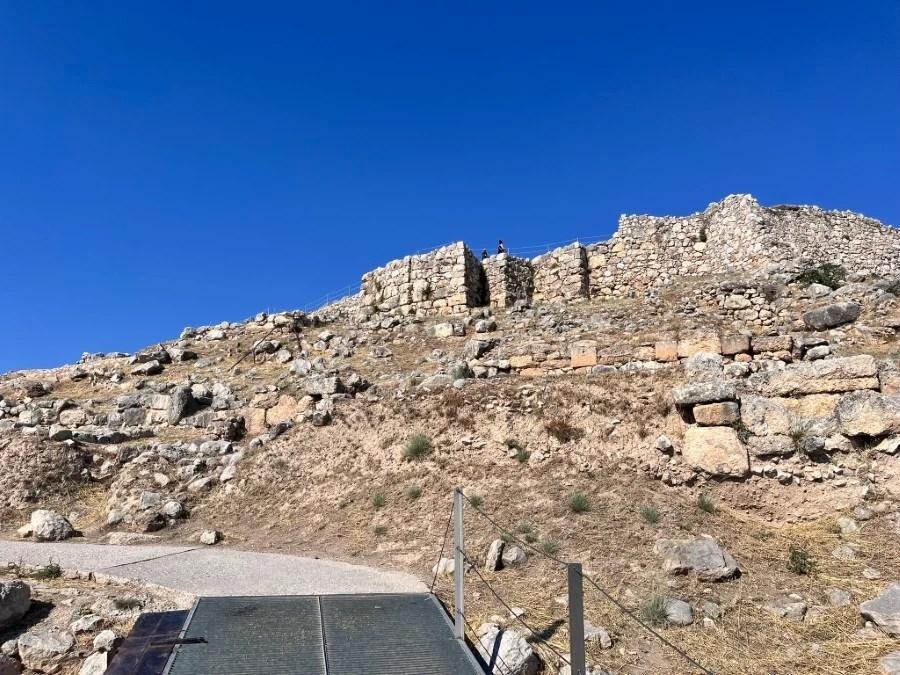
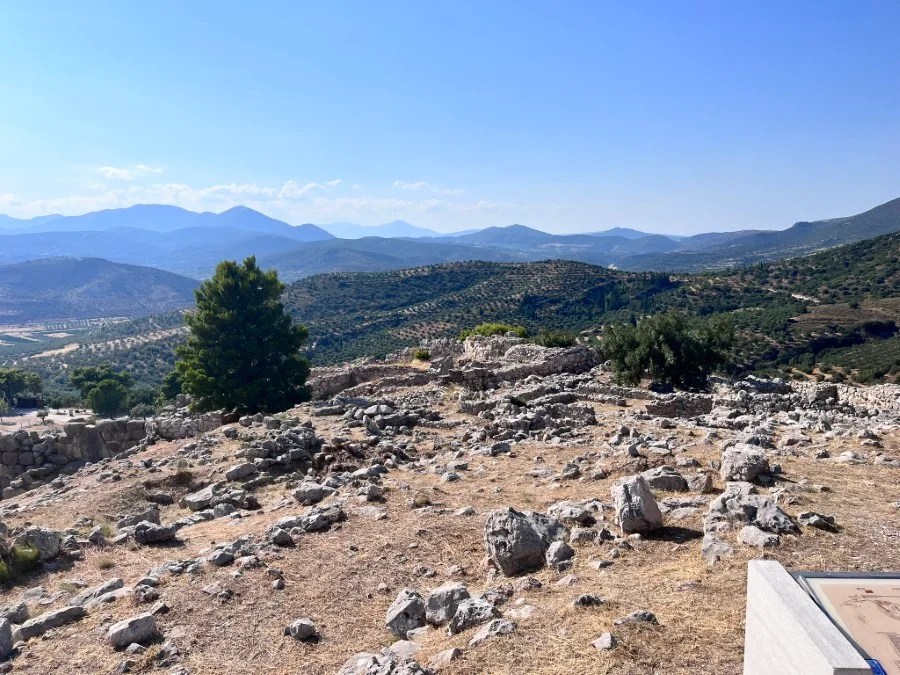
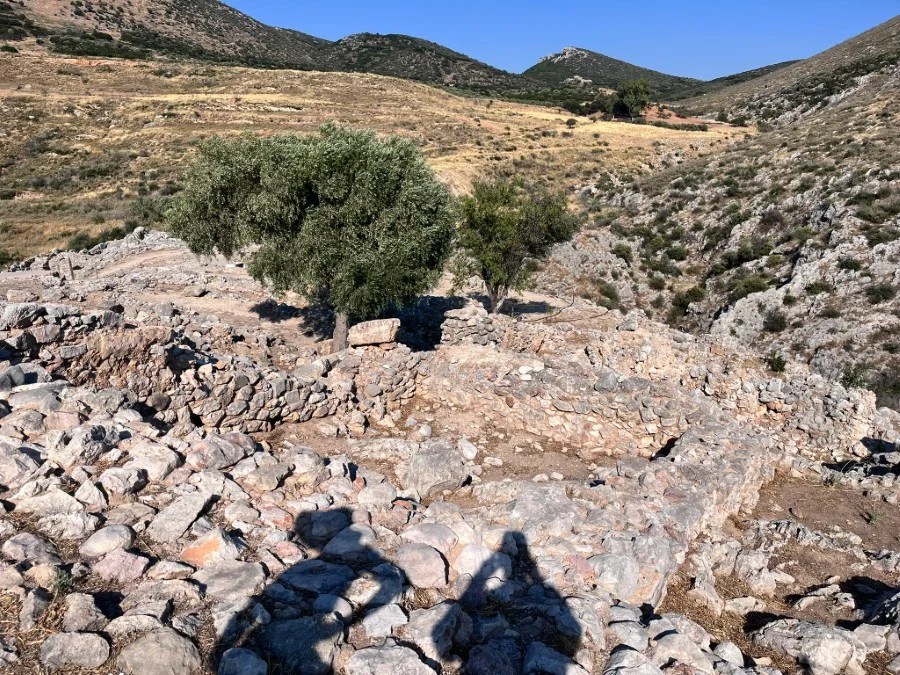
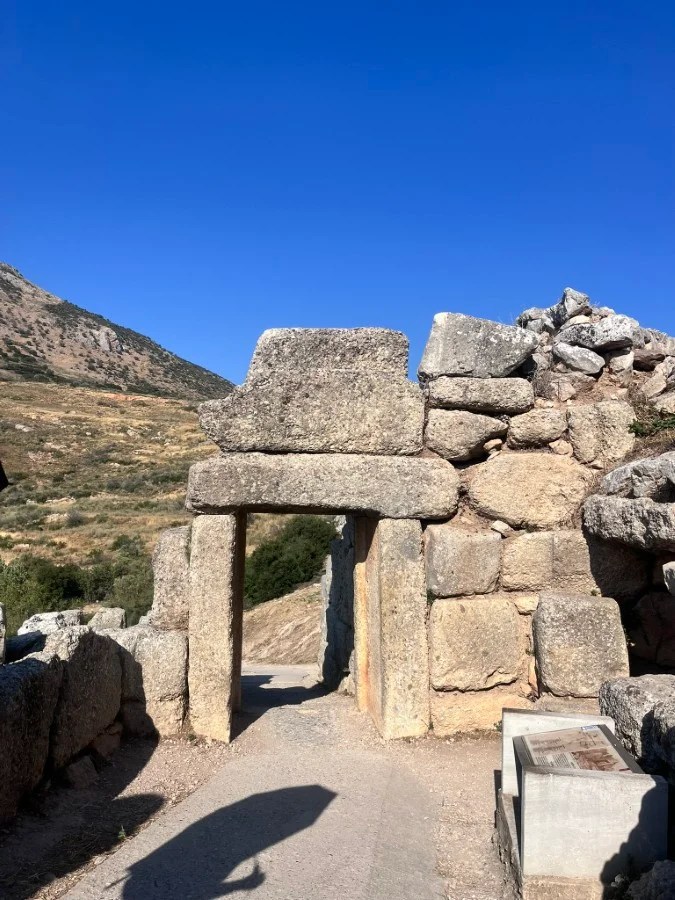
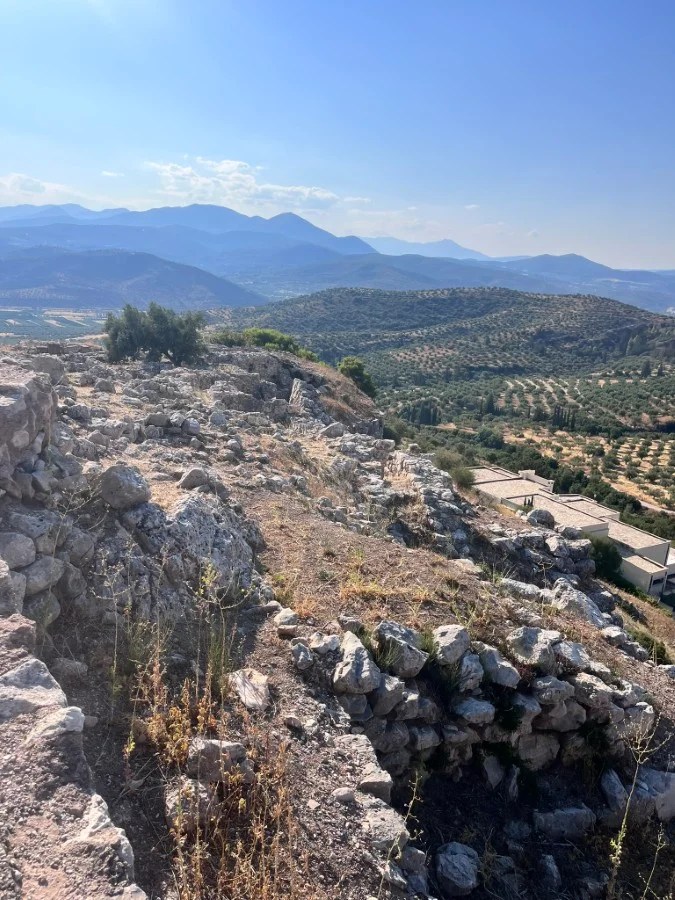
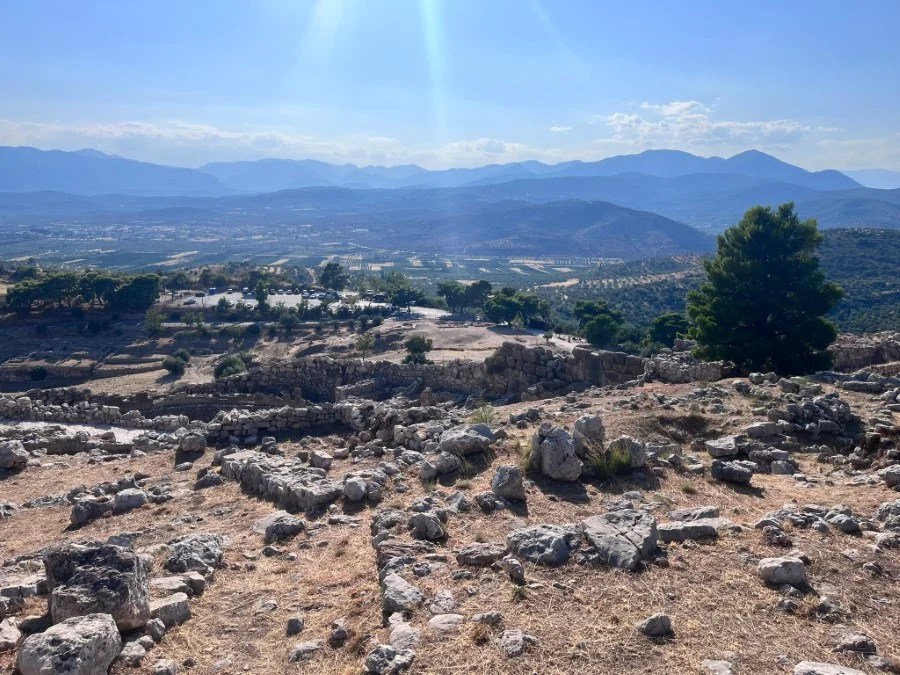
I visited Ancient Mycenae 30 years ago and was excited to go back and revisit this special place. This is the city where King Agamemnon lived and died and from where he launched the 1000 ships for the Trojan War. Actually, Mycenae is inland, but the ships were launched from a port near current Nafplio.
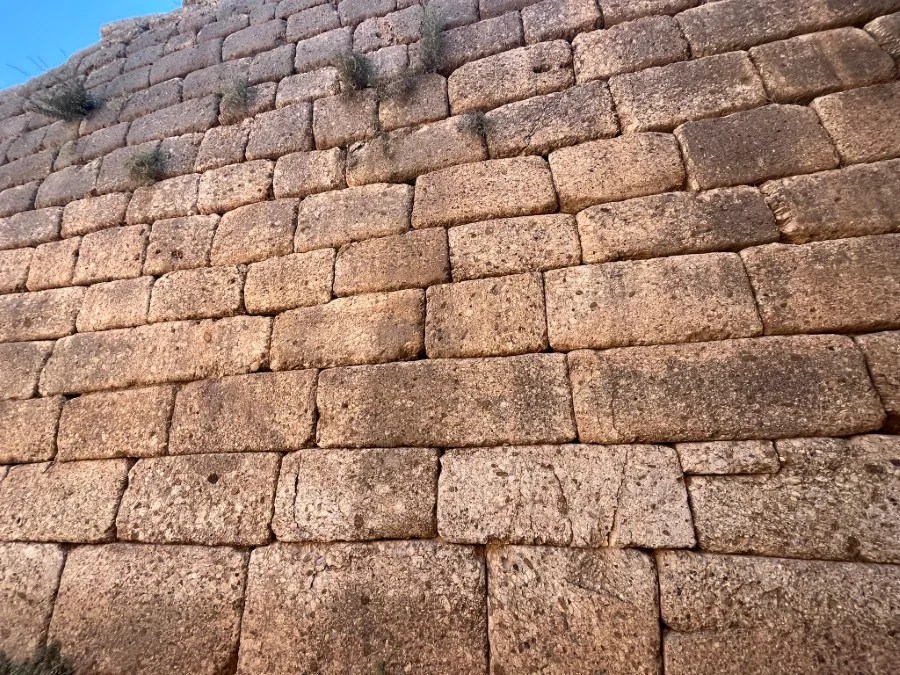
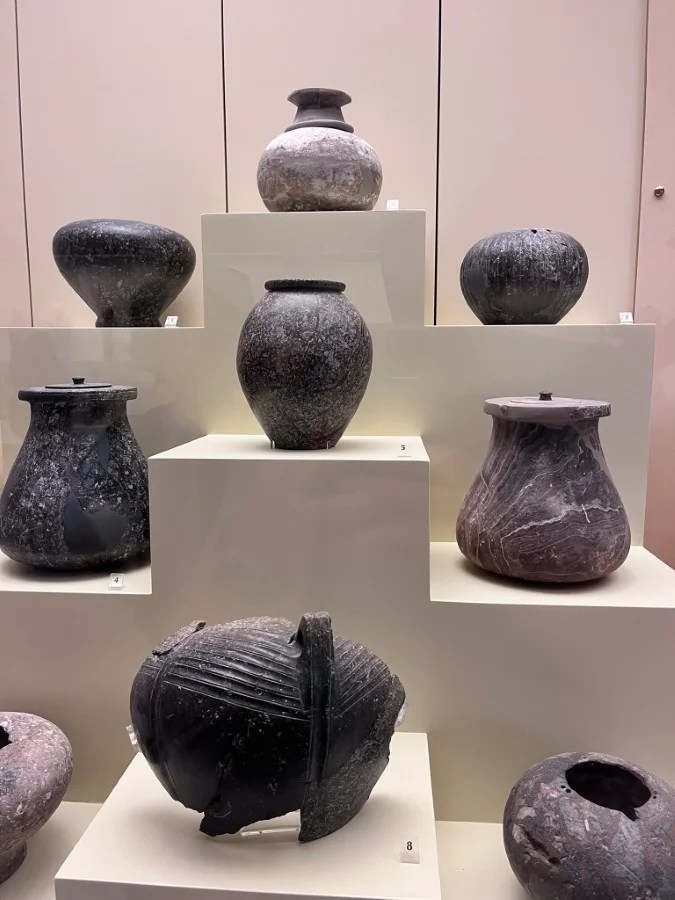
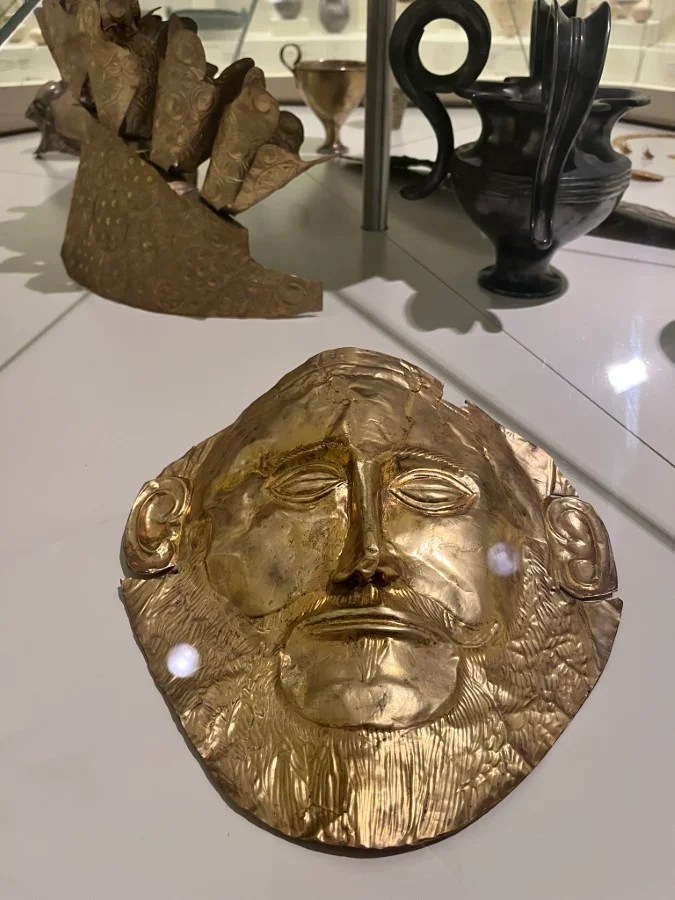
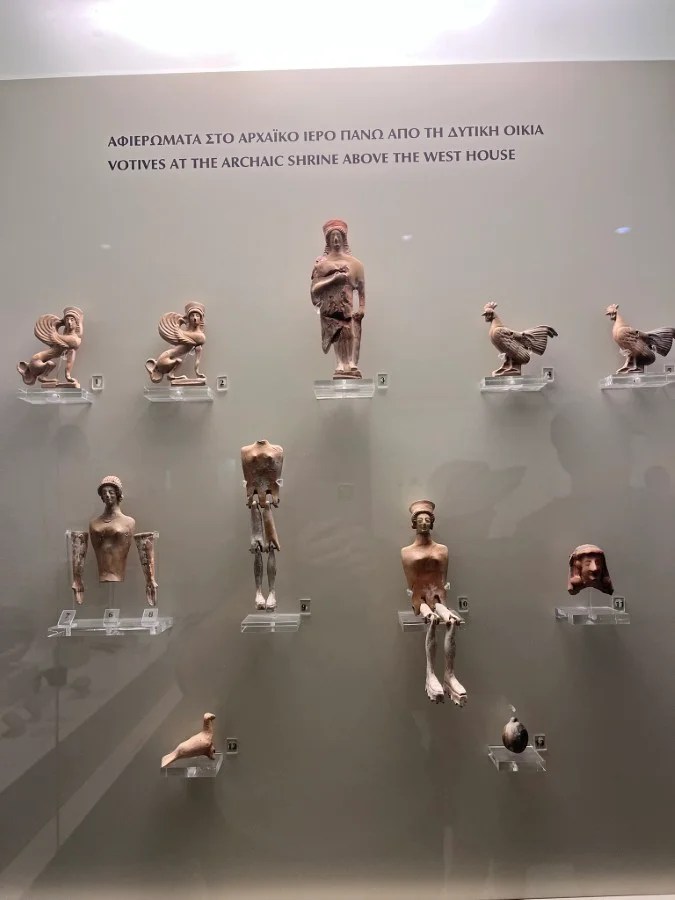
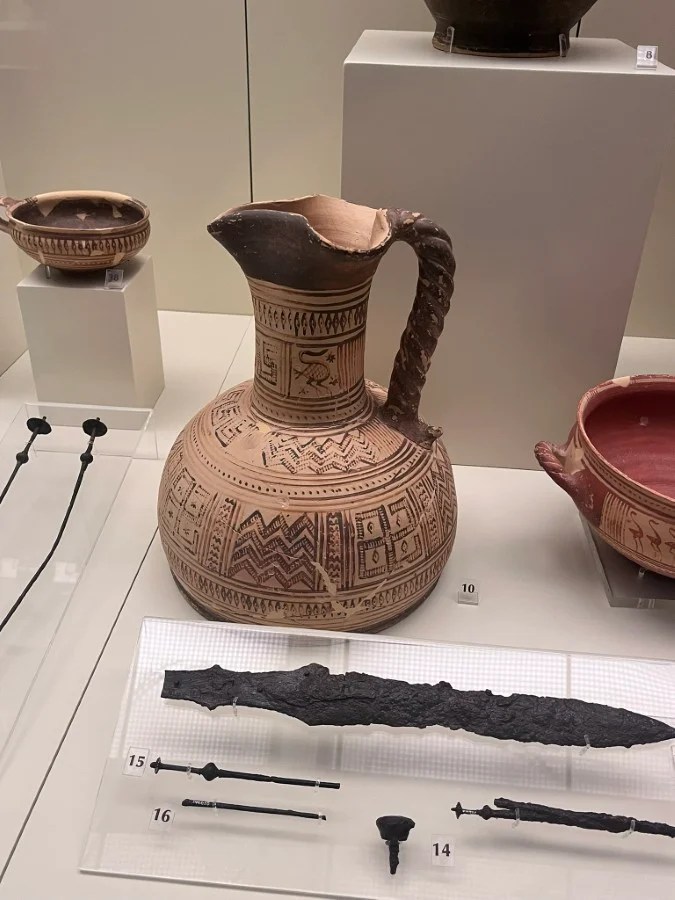
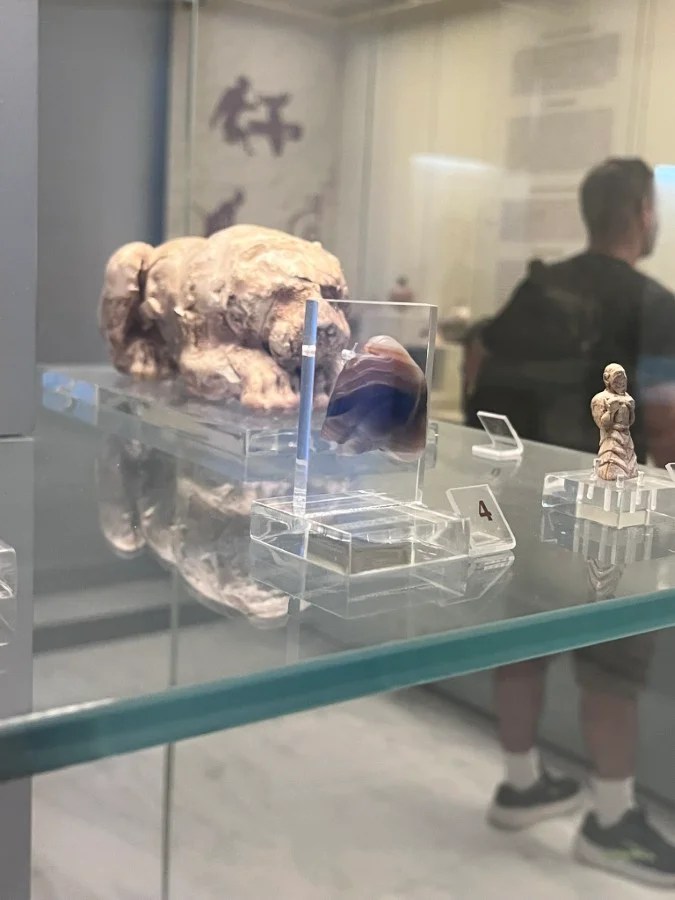
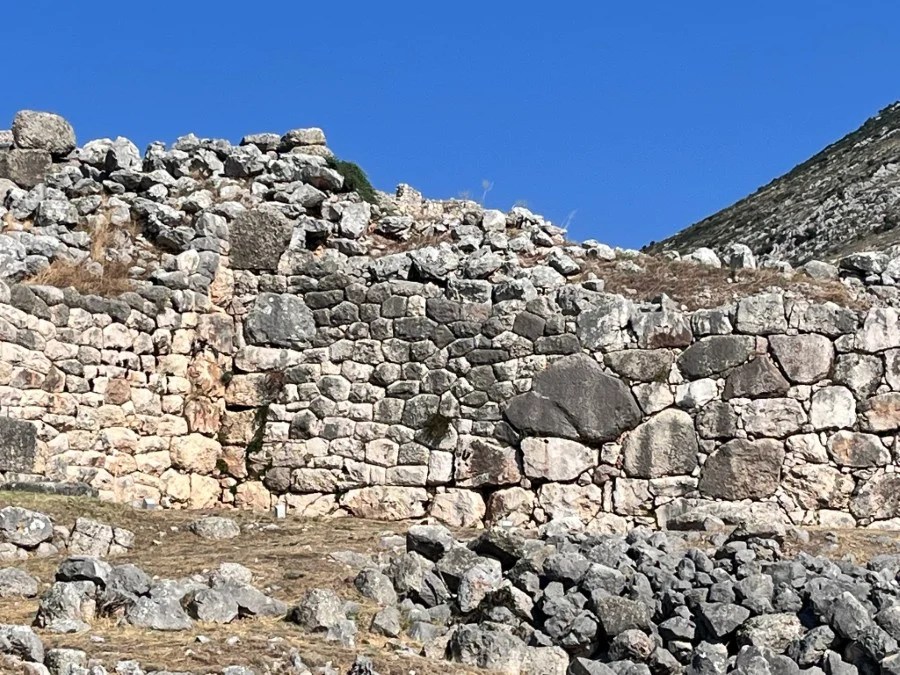
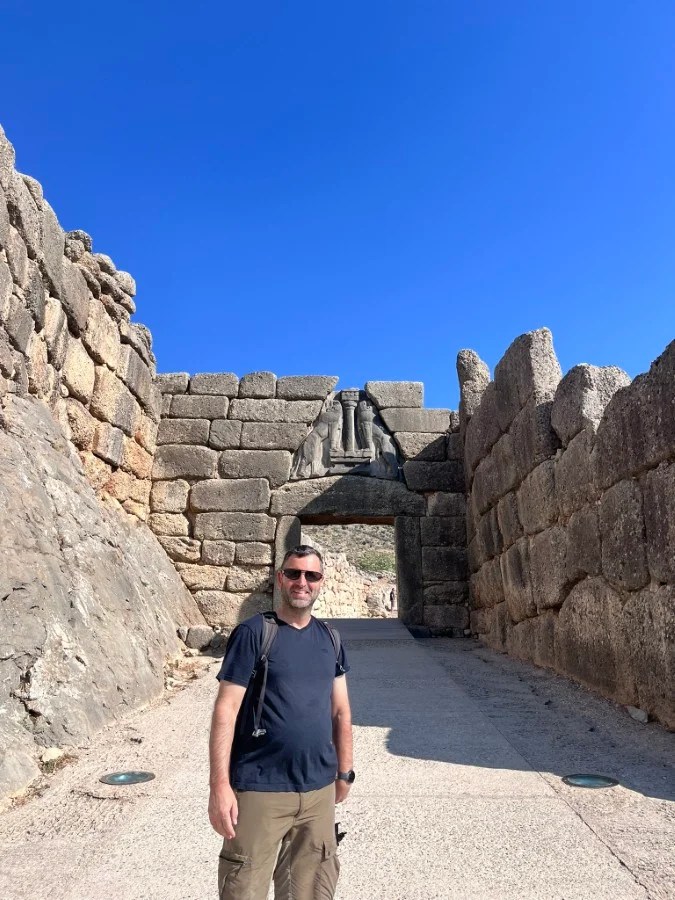
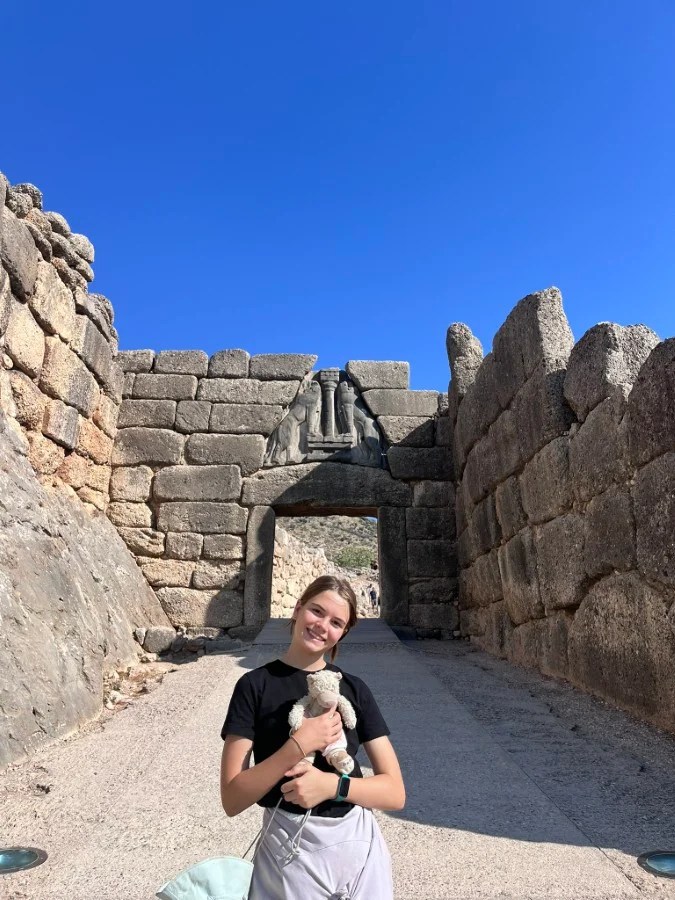
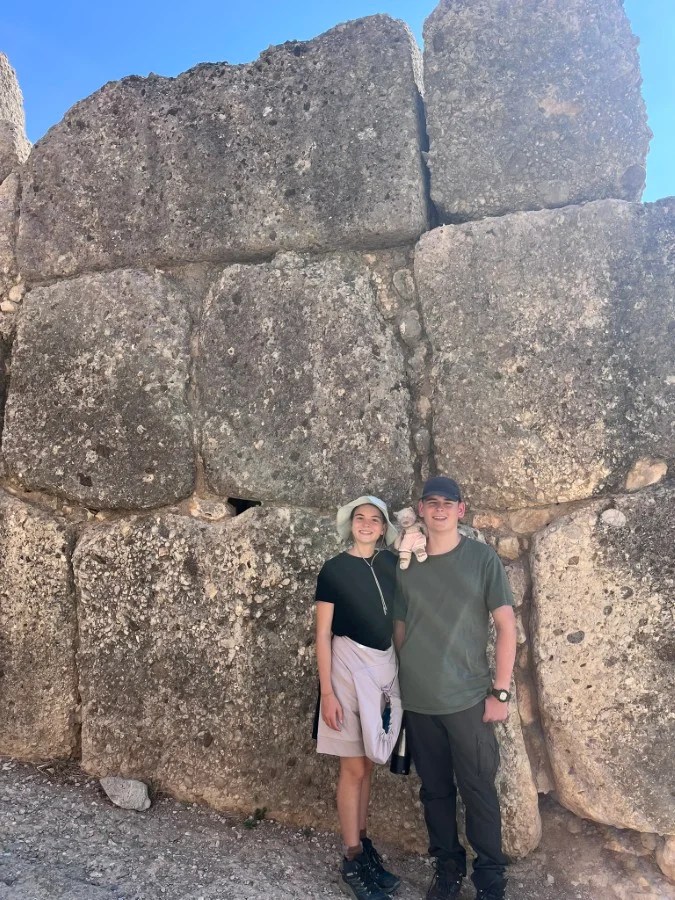
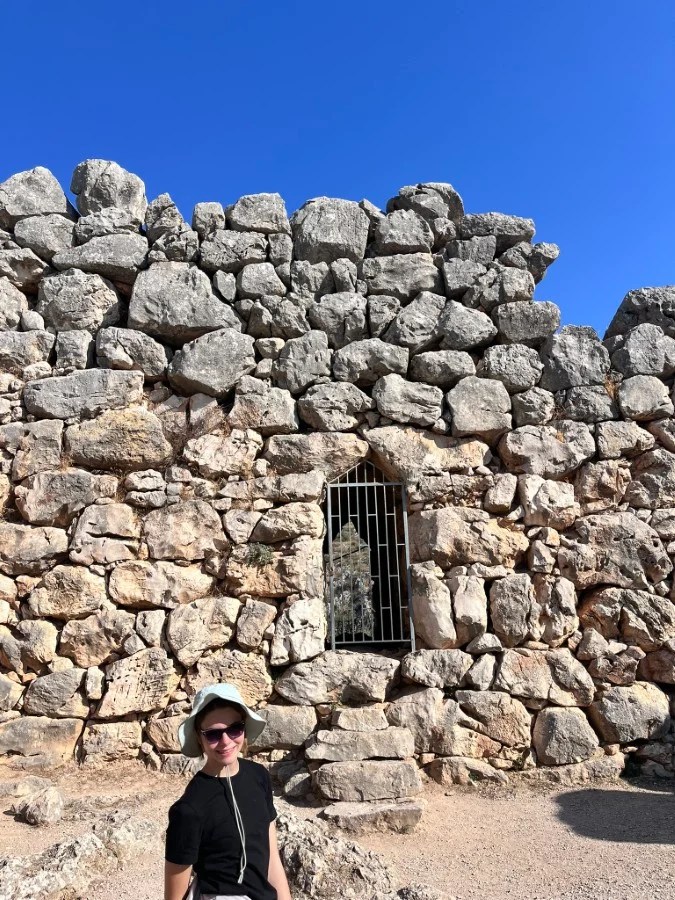
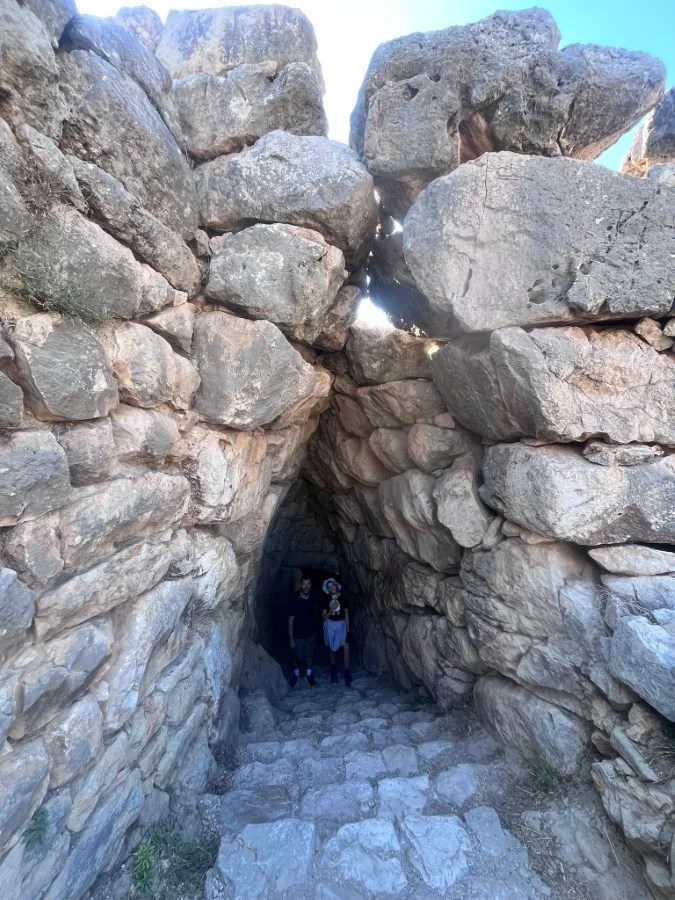
The site has some impressive tombs (one of which may or may not be King Agamemnon’s), and a nice little museum with artifacts that were dug up from the site. One of the famous things about the site is the way the walls were built – giant stones of different shapes that fit together. It is called cyclopean masonry because it is said that only a huge, mythical Cyclops is strong enough to move the giant rocks. You can find this masonry in other ancient cities from the Mycenaean Empire in this area of Greece. Notice the photo below of the kids standing in front of the rock wall – for perspective, C is 5 foot 6.
Loutra Elenis
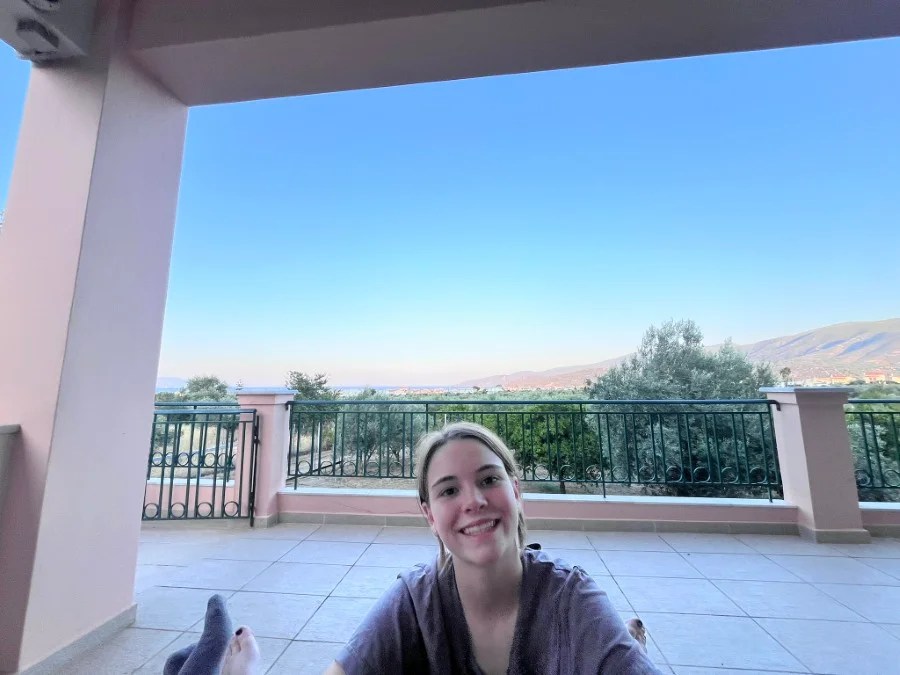
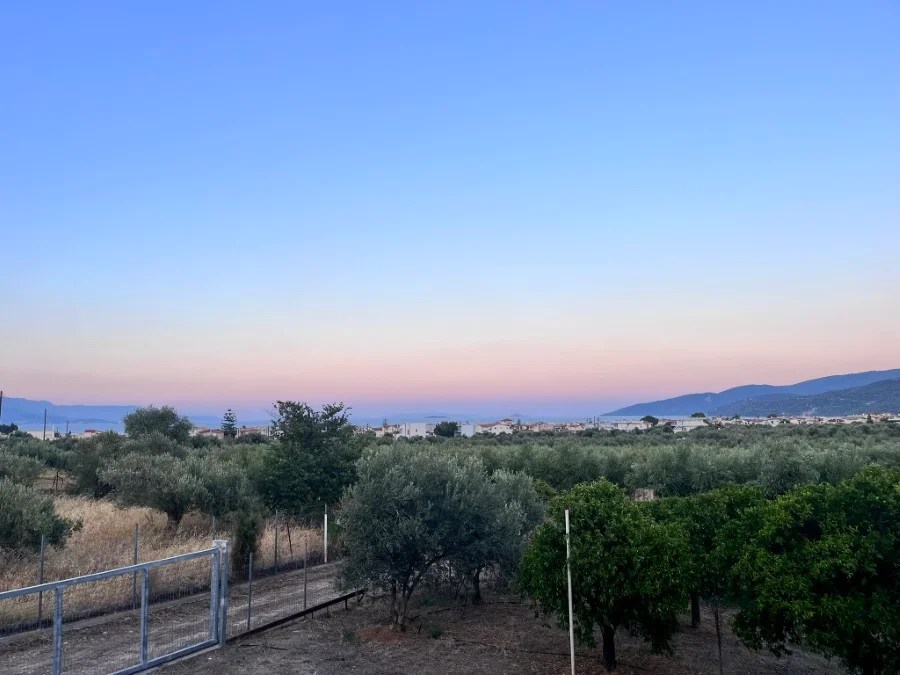
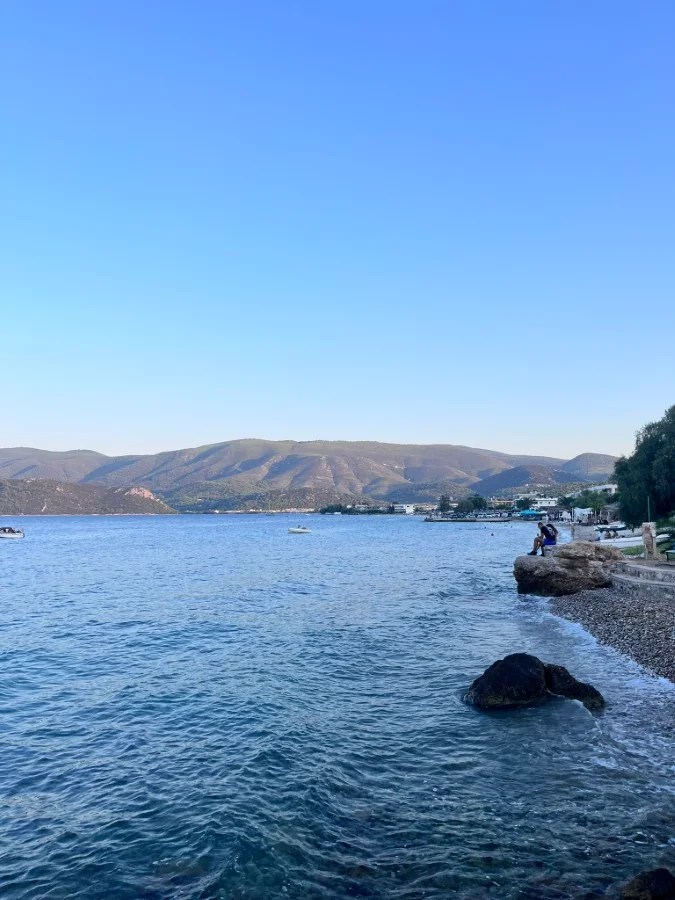
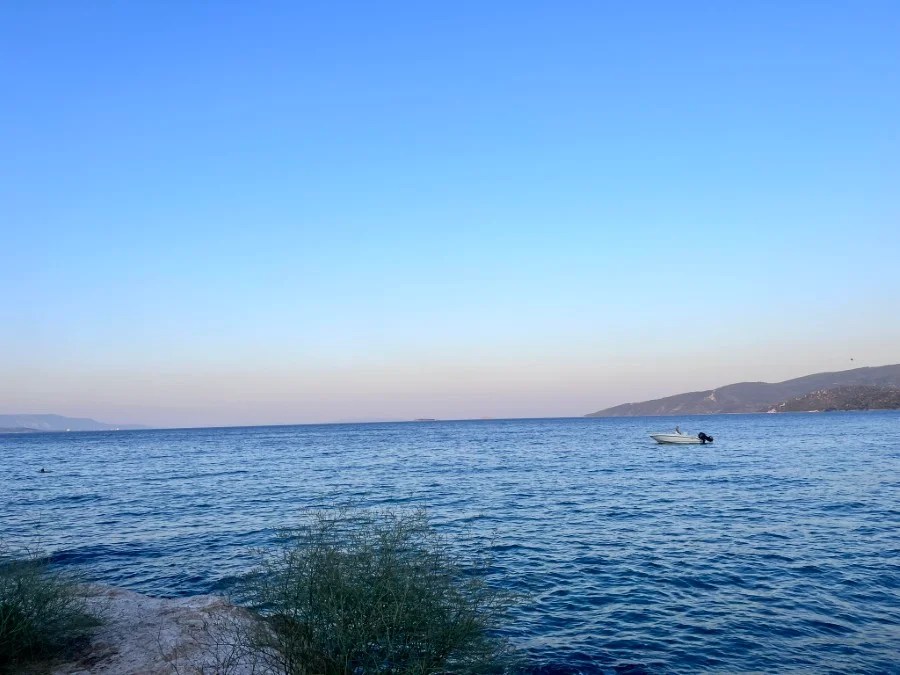
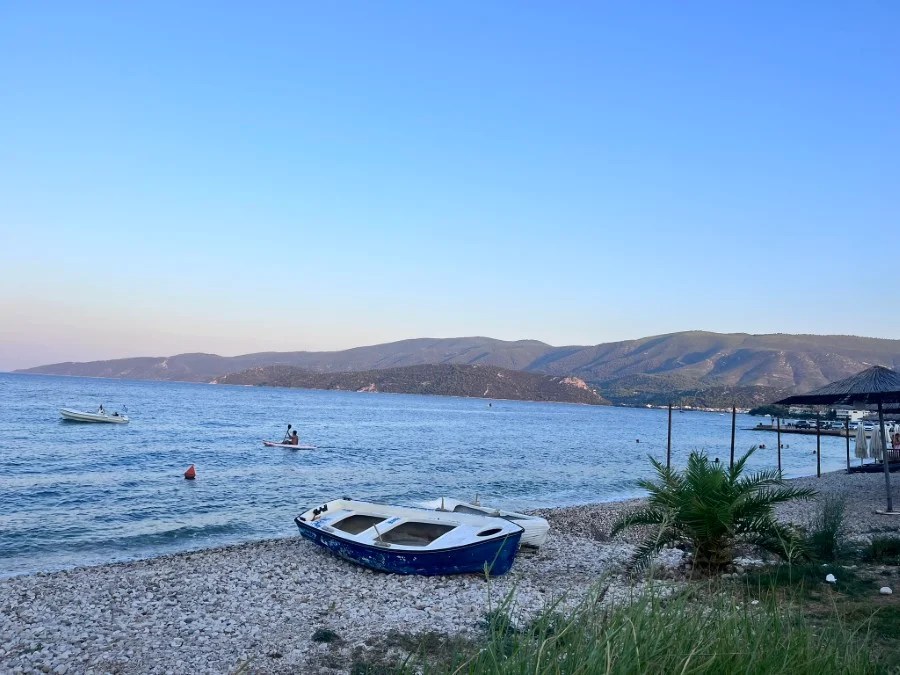
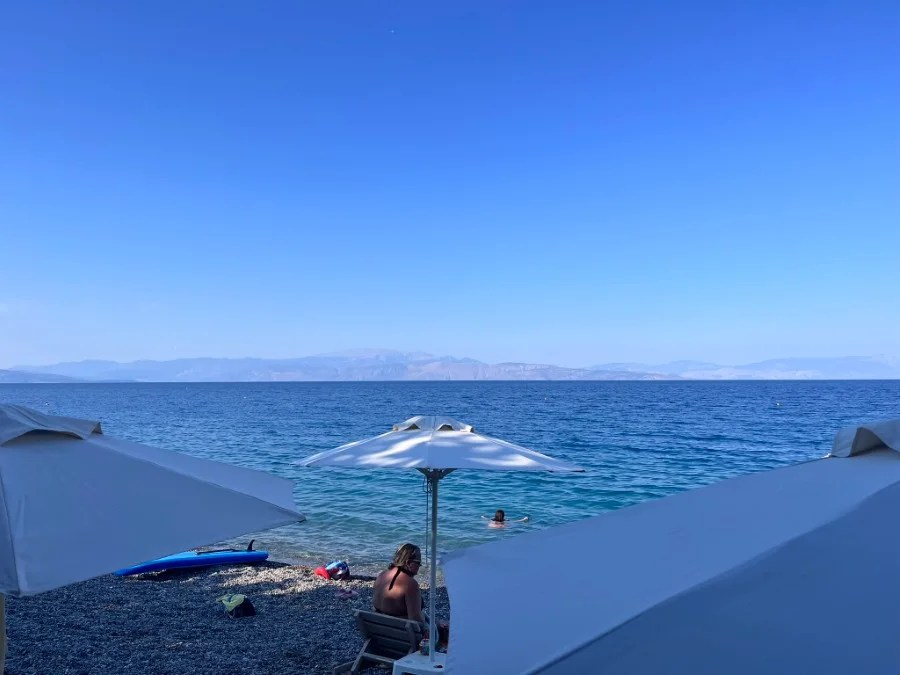
We then relocated a bit further north to a smaller town. We had an incredible view from our house – over a large olive grove out to the sea. The town also had a couple of lovely beaches.
Corinth Canal
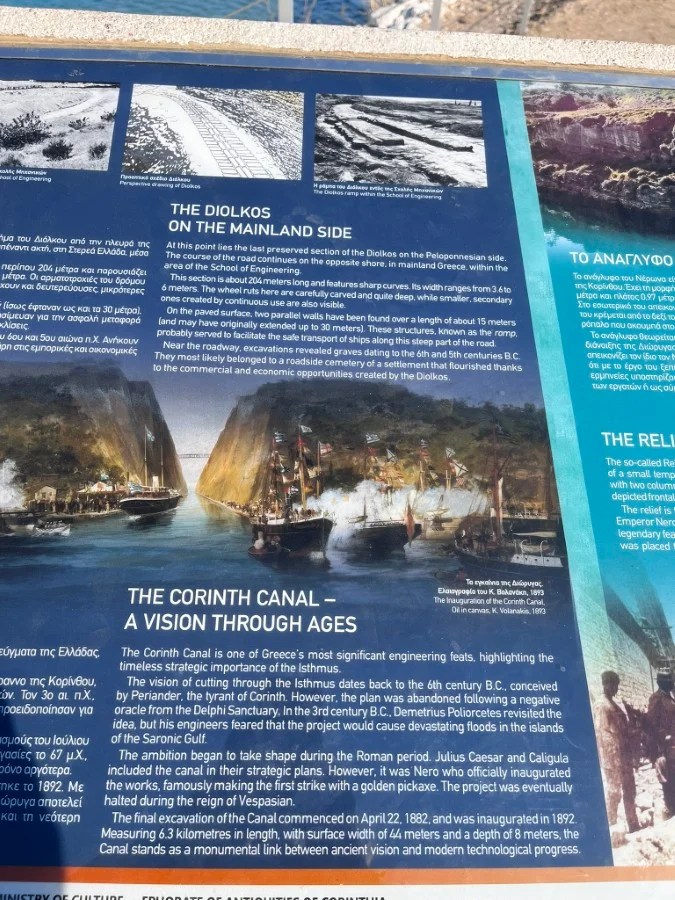
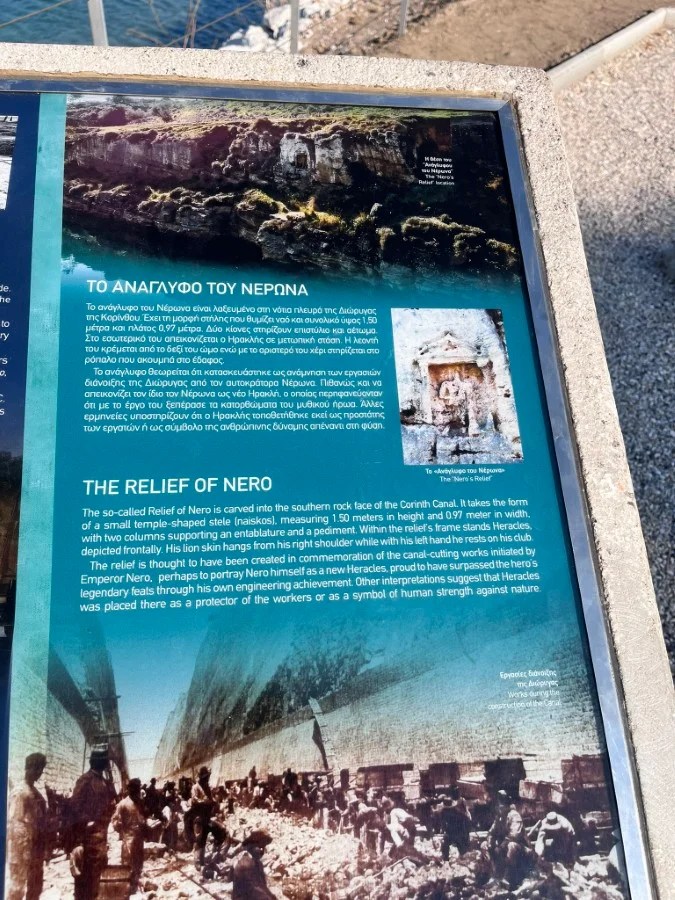
Of course, we had to visit the Corinth Canal, which connects the Gulf of Corinth to the Aegean Sea. This canal has such an interesting and long history. It was originally started in ancient times, but the oracle gave a bad foretelling, so it was abandoned. It was then restarted under the Romans, but never completed. It was again restarted in the 1800s and finally completed in 1893. Unfortunately, ships are too big now to fit through the narrow canal so it is mainly used for tourism.
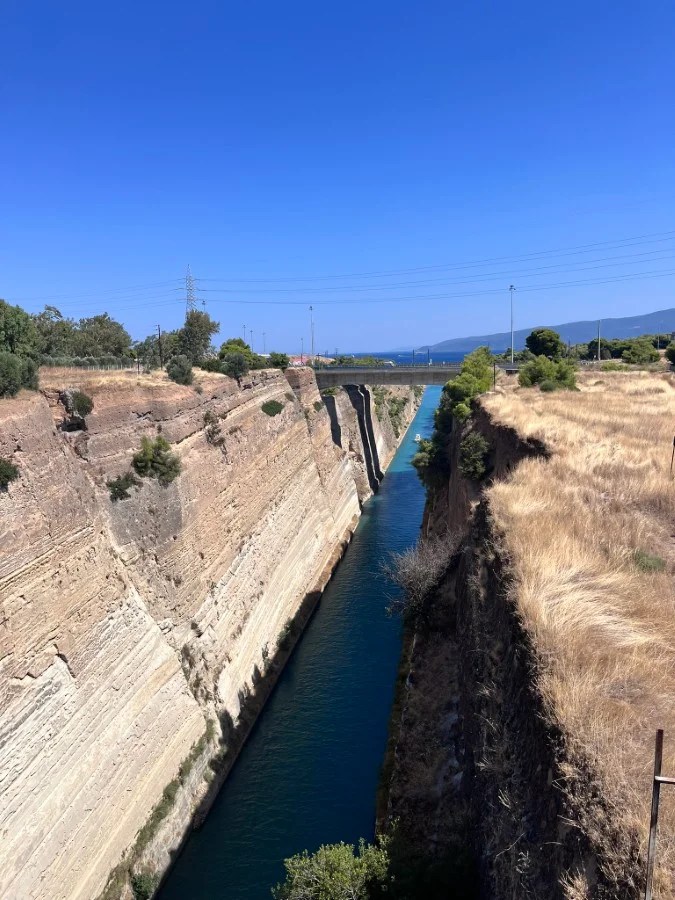
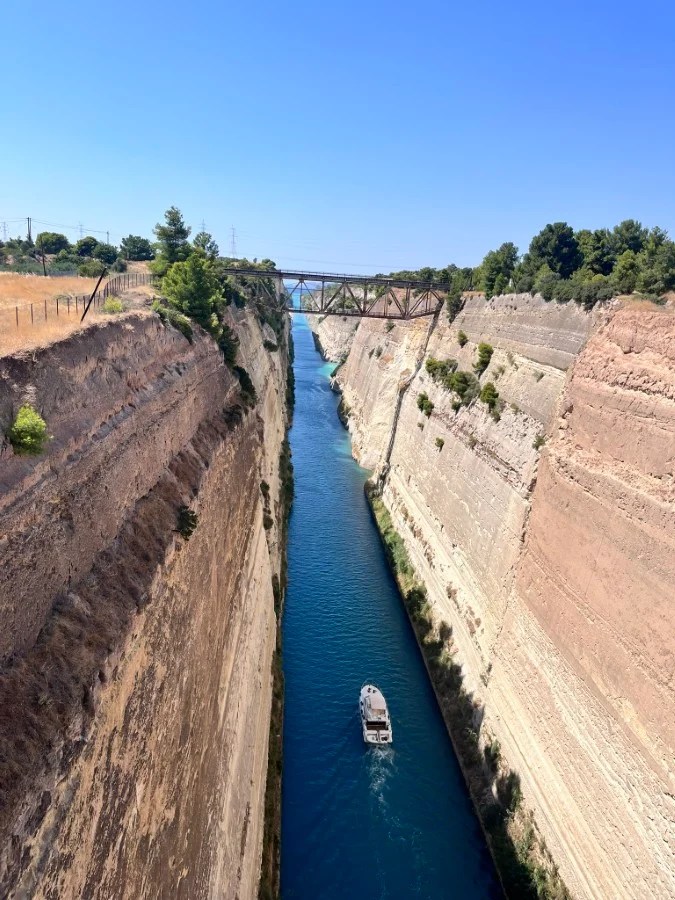
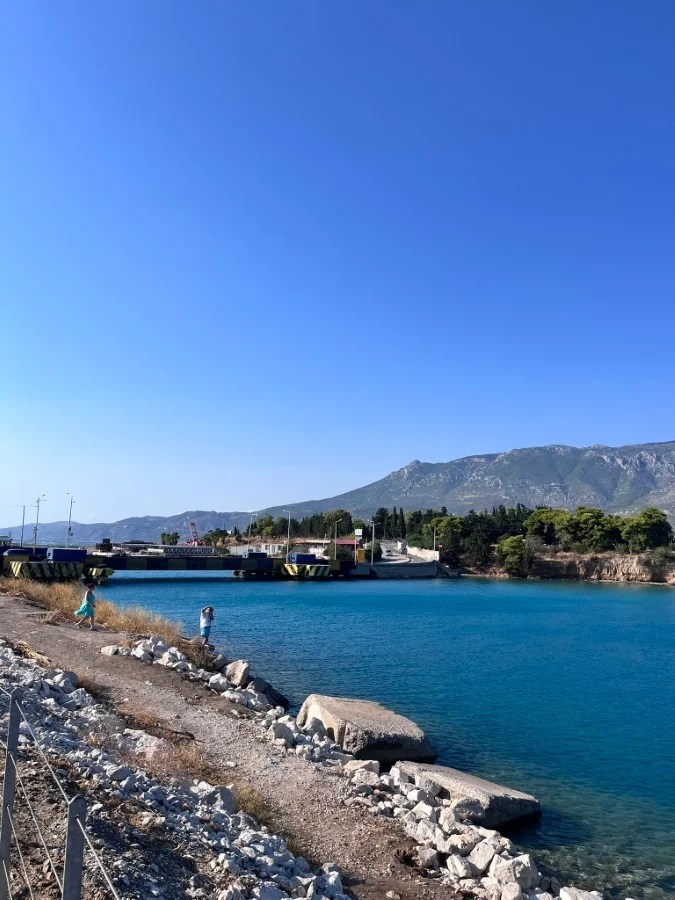
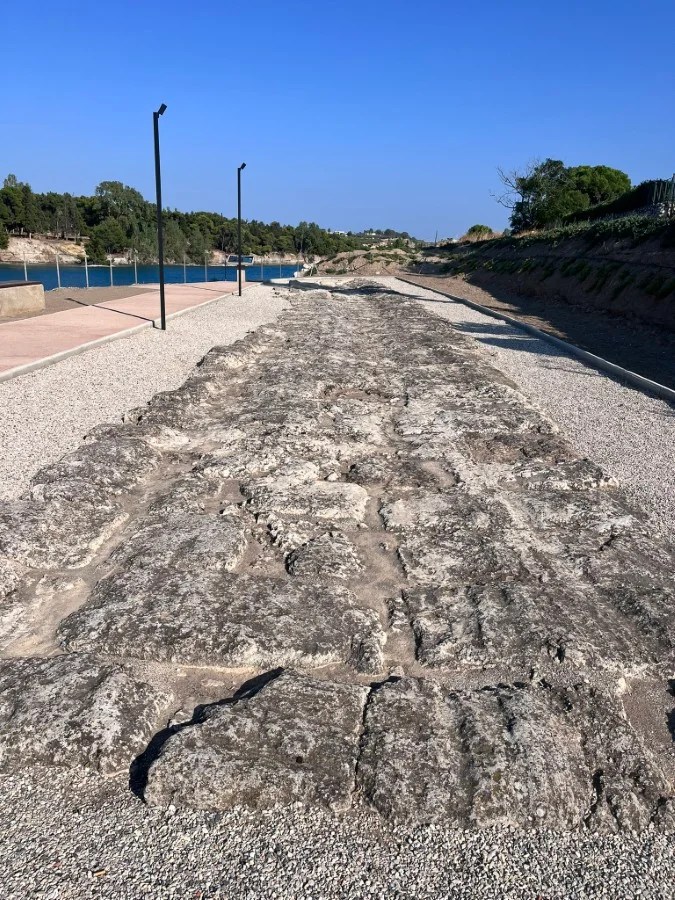
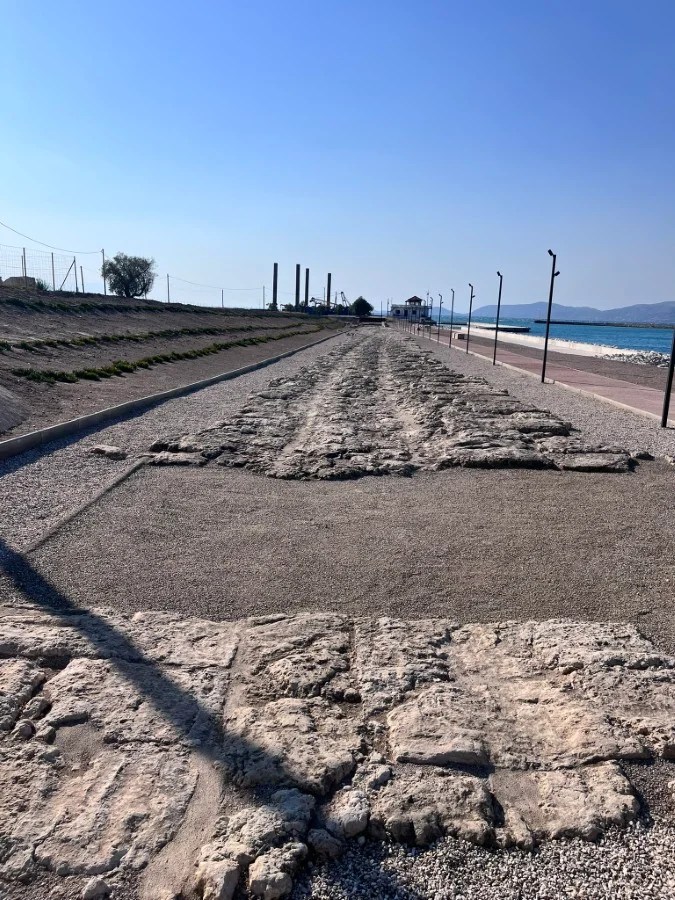
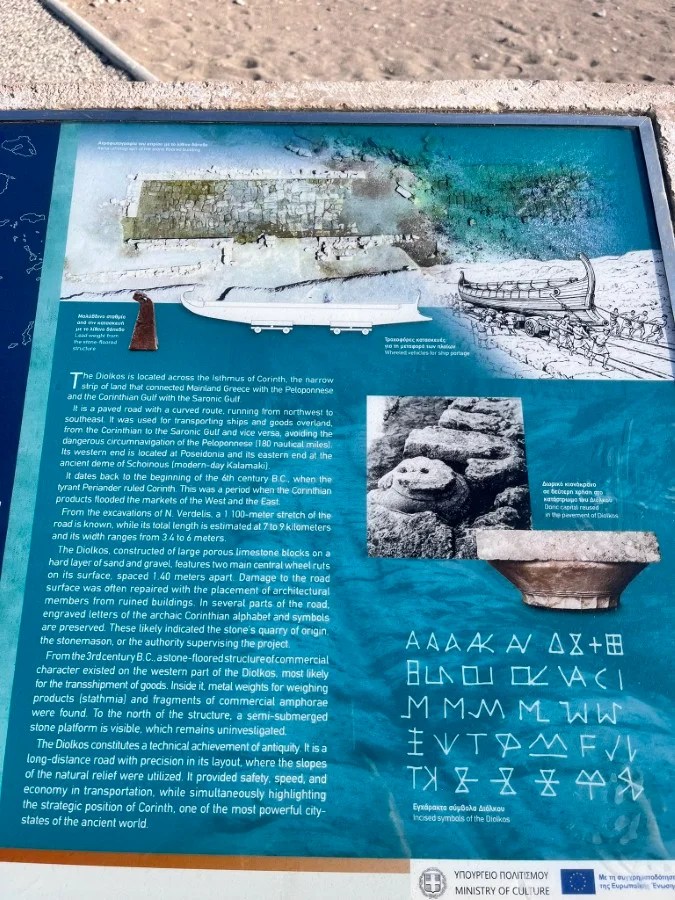
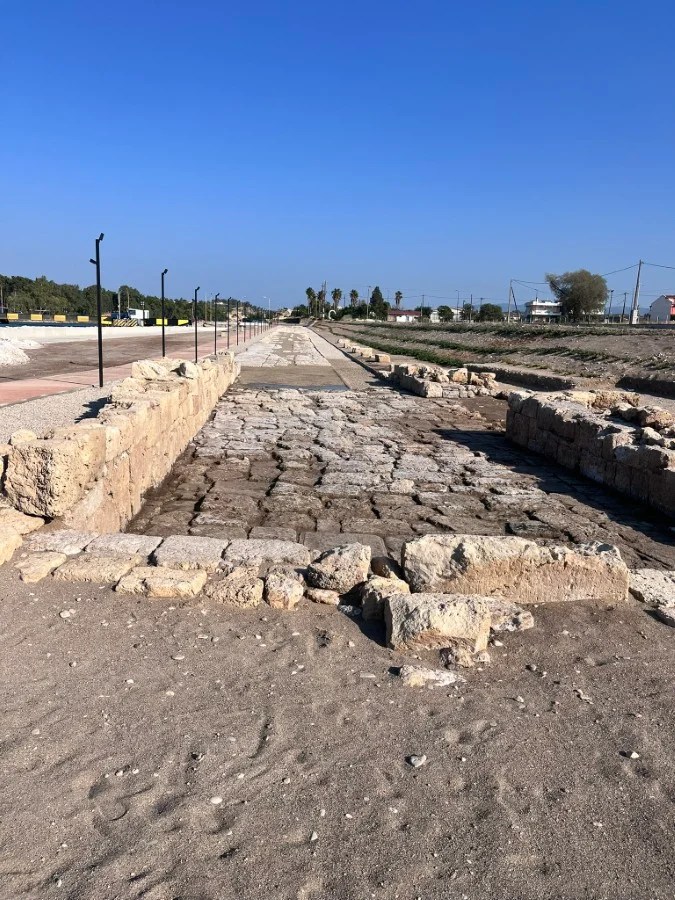
During ancient times, slaves would pull the ships across 7 kms on stone roads. No one is exactly sure how this worked… rails? wheels? But near the opening of the canal on the Gulf side, you can see the old road with the ruts in it. If you zoom in to see the photos, you can read the signs explaining how this worked.
Isthmia
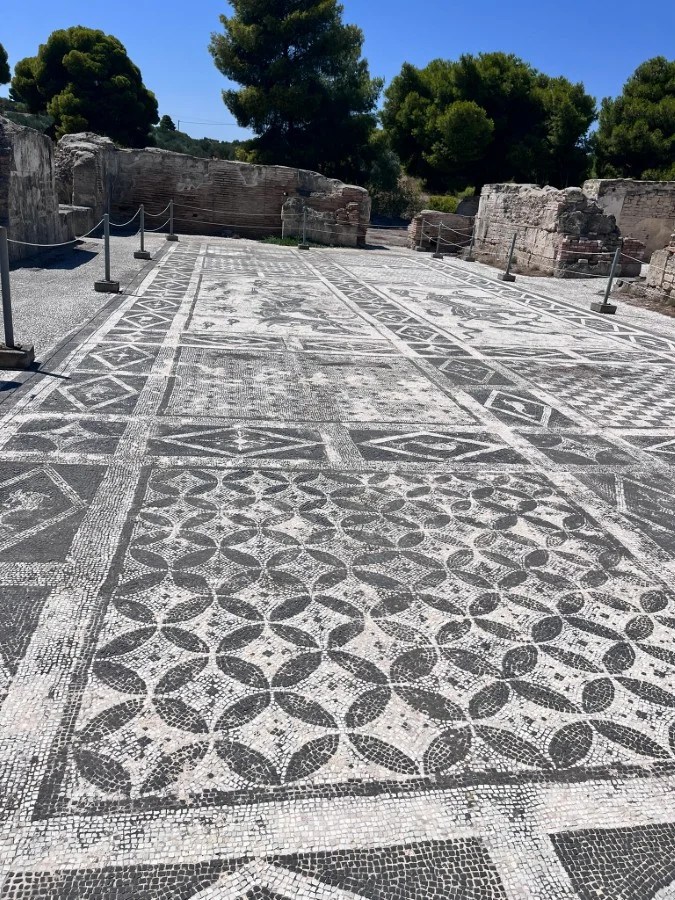
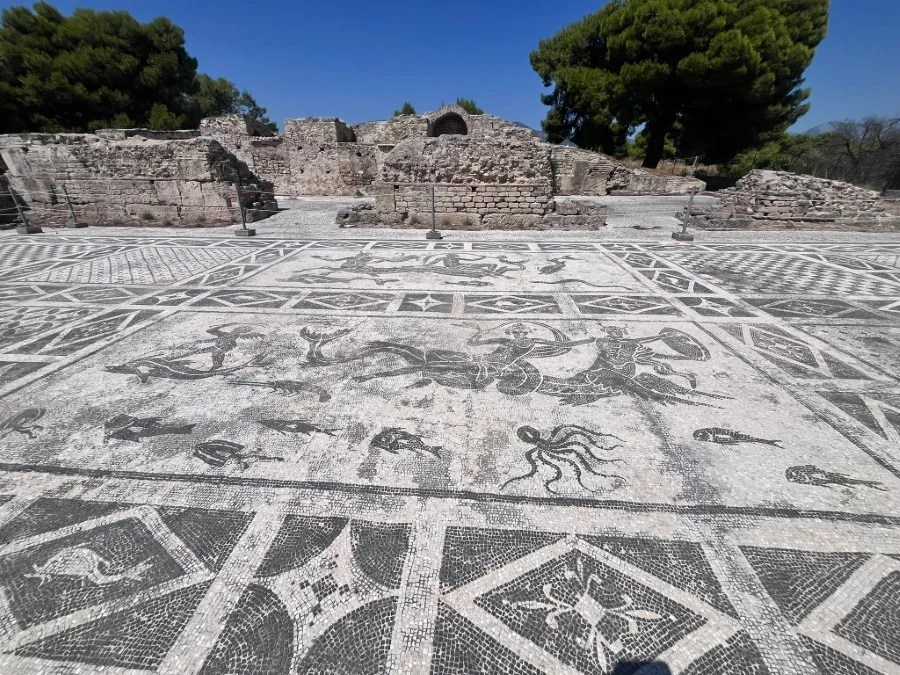
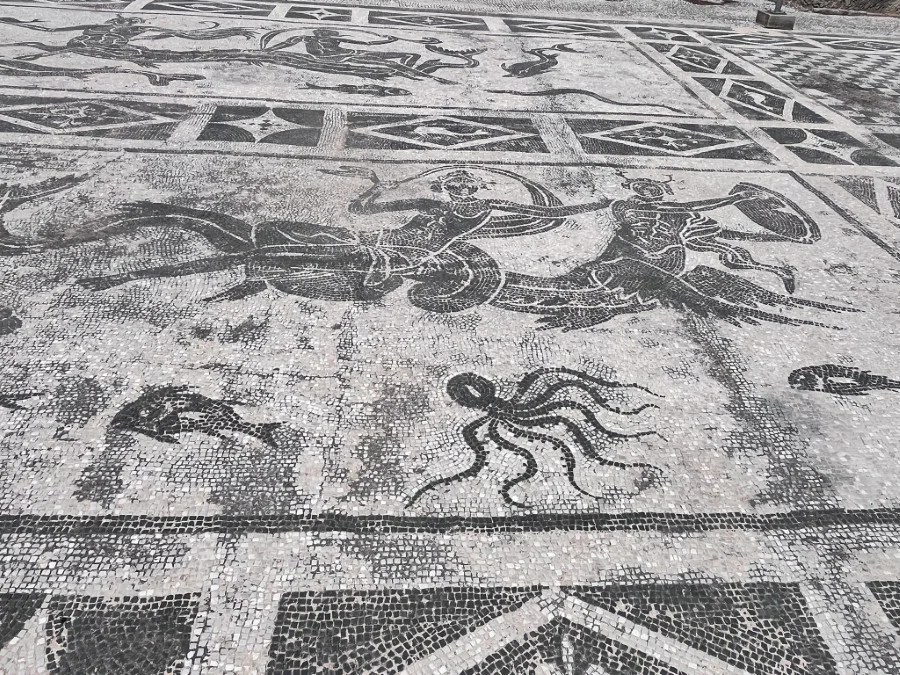
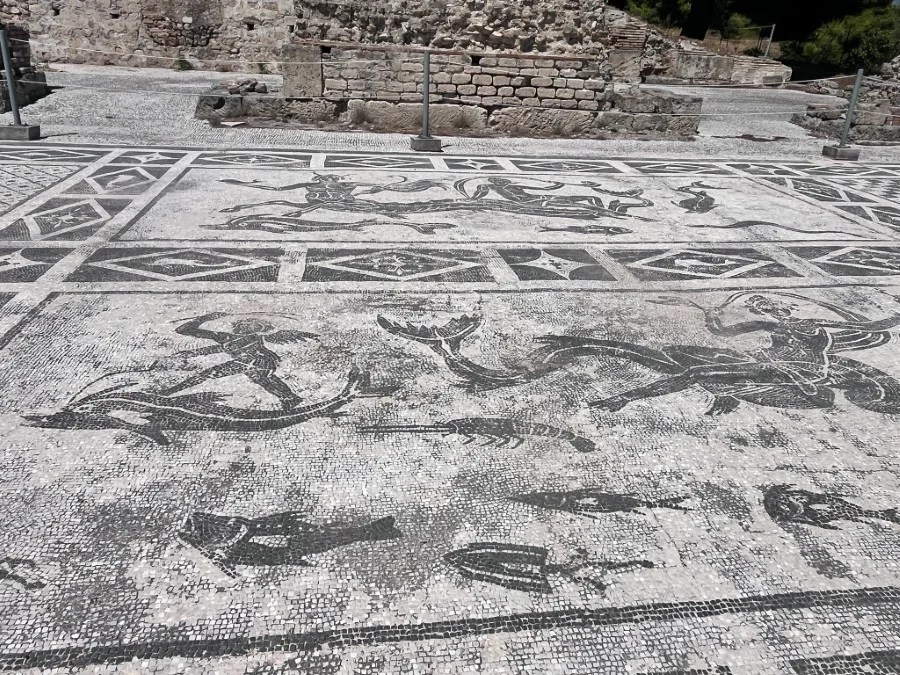
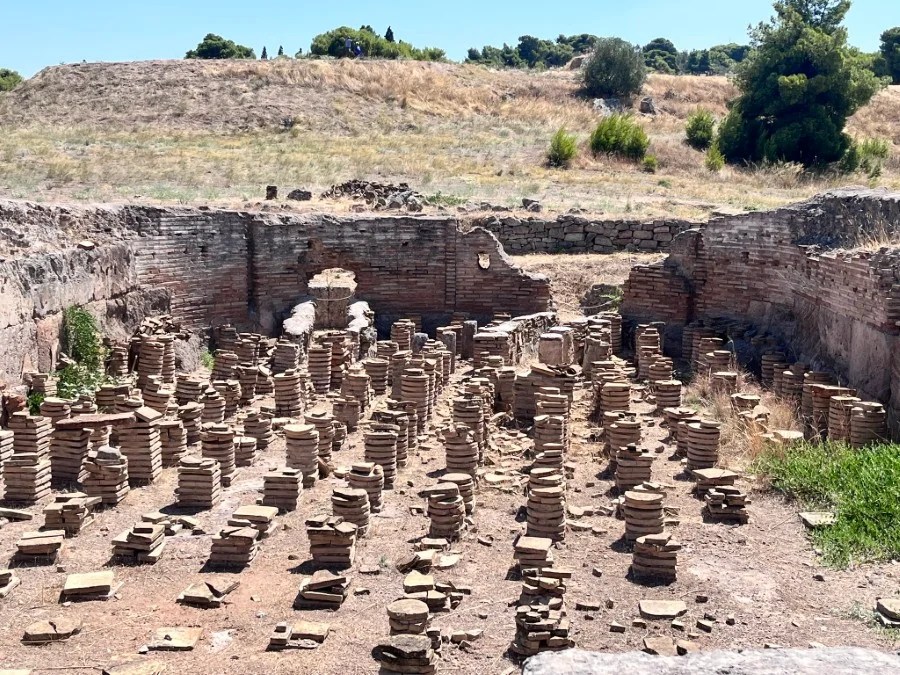
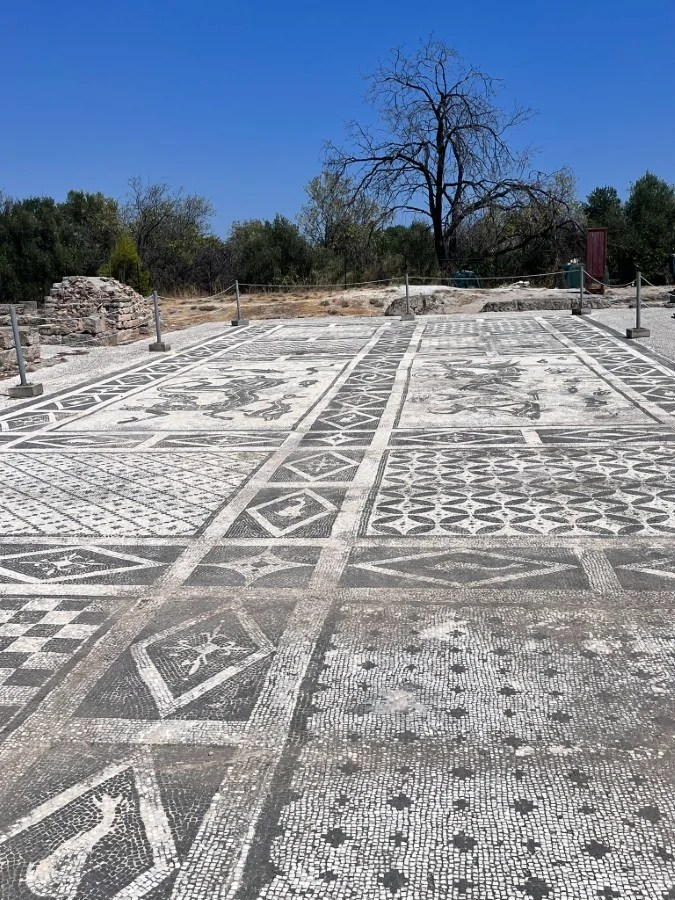
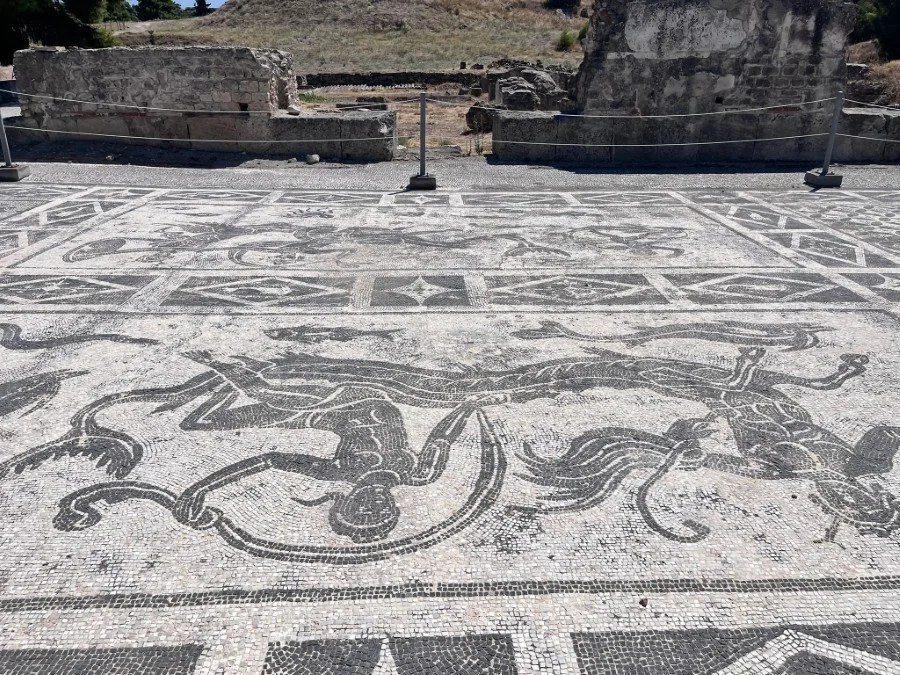
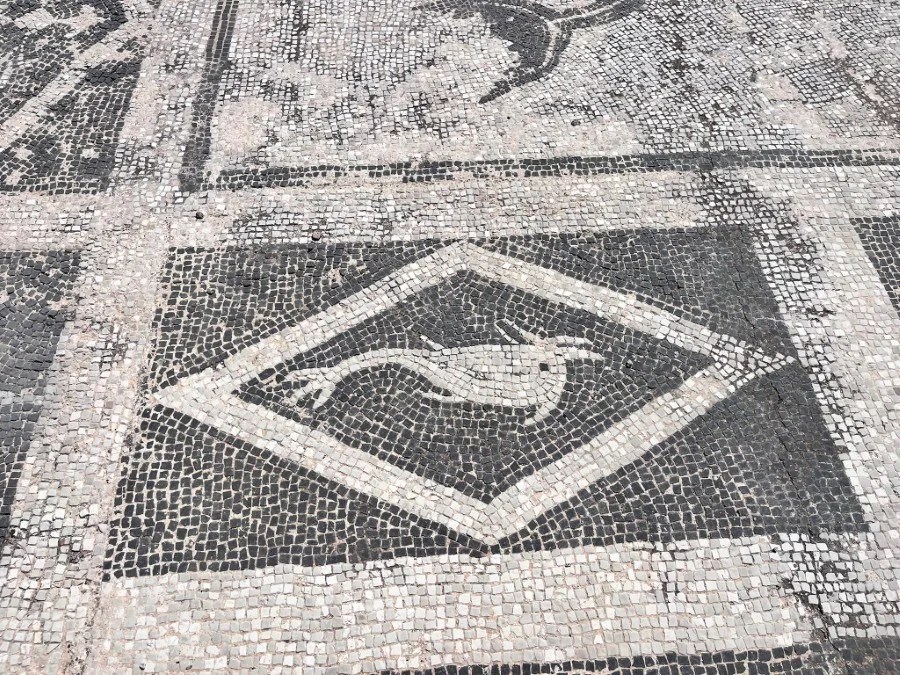
There are ancient cities and sites absolutely everywhere in this area of Greece, and you really can’t visit them all. However, when I read about this one, which was just nearby, I had to visit to see the special mosaic floor which was part of the Roman baths.
Acrocorinth
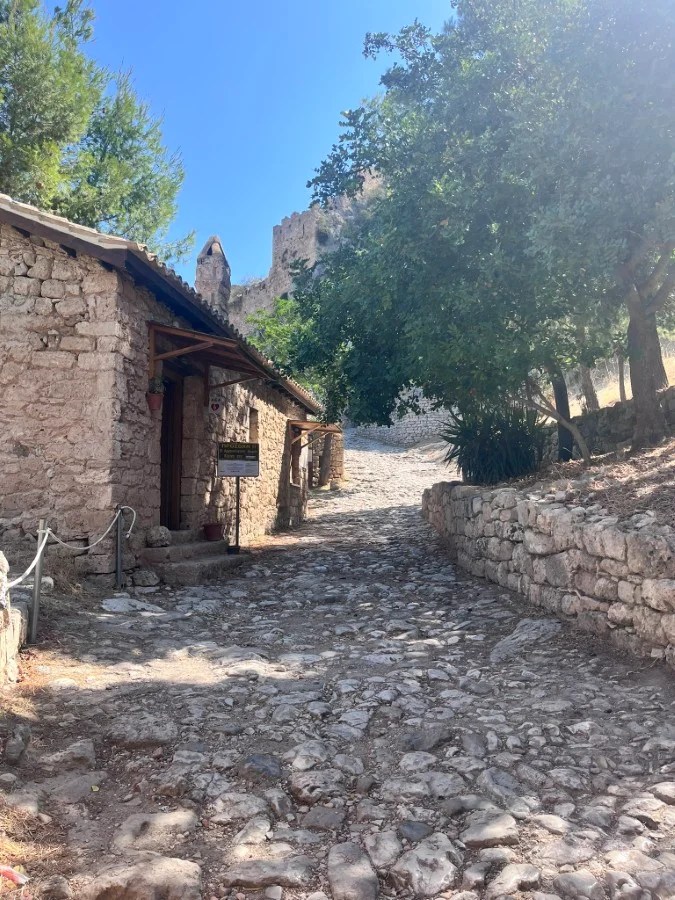
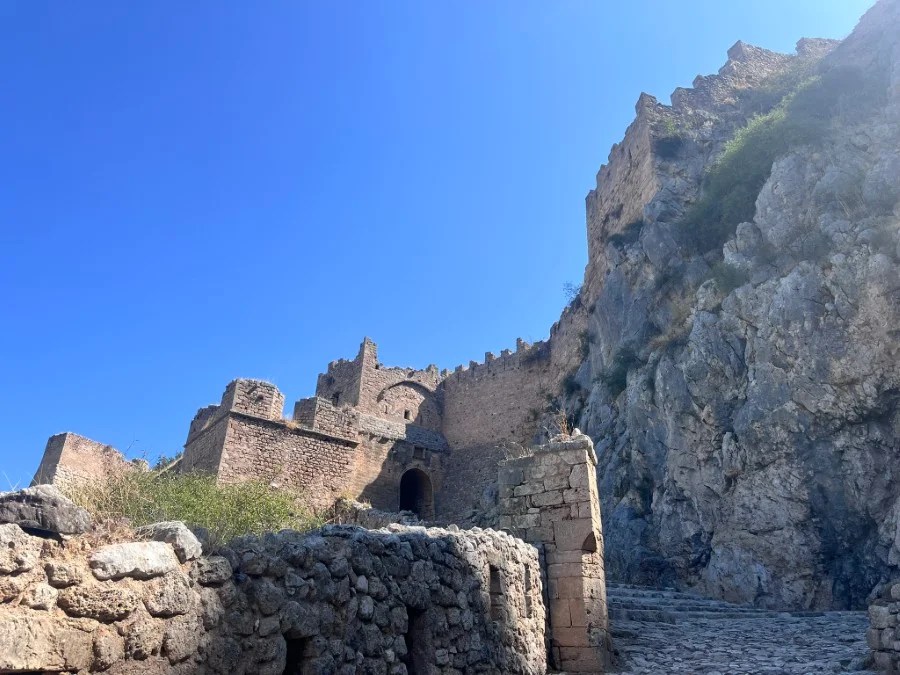
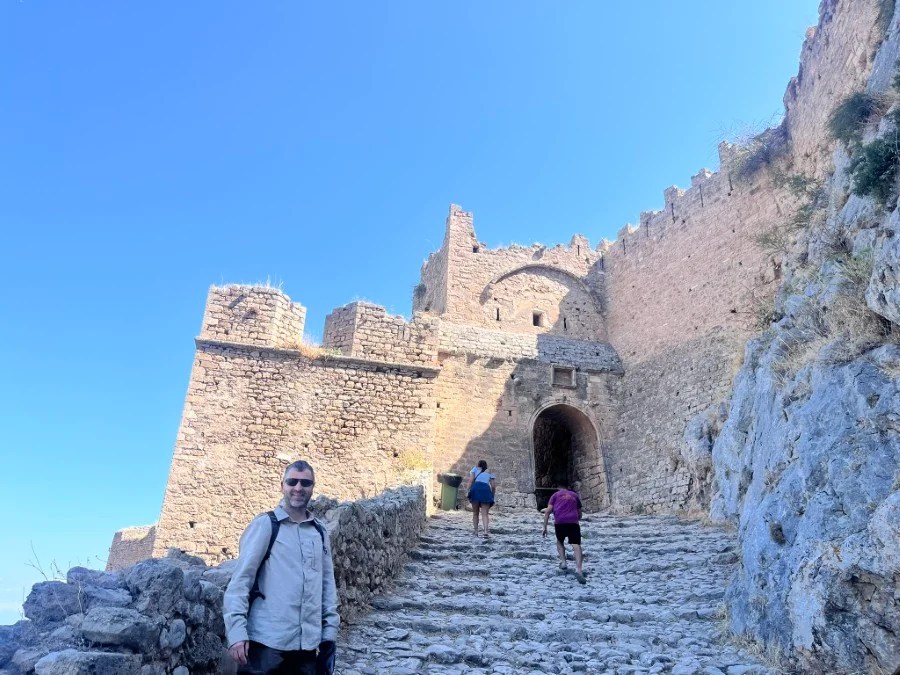
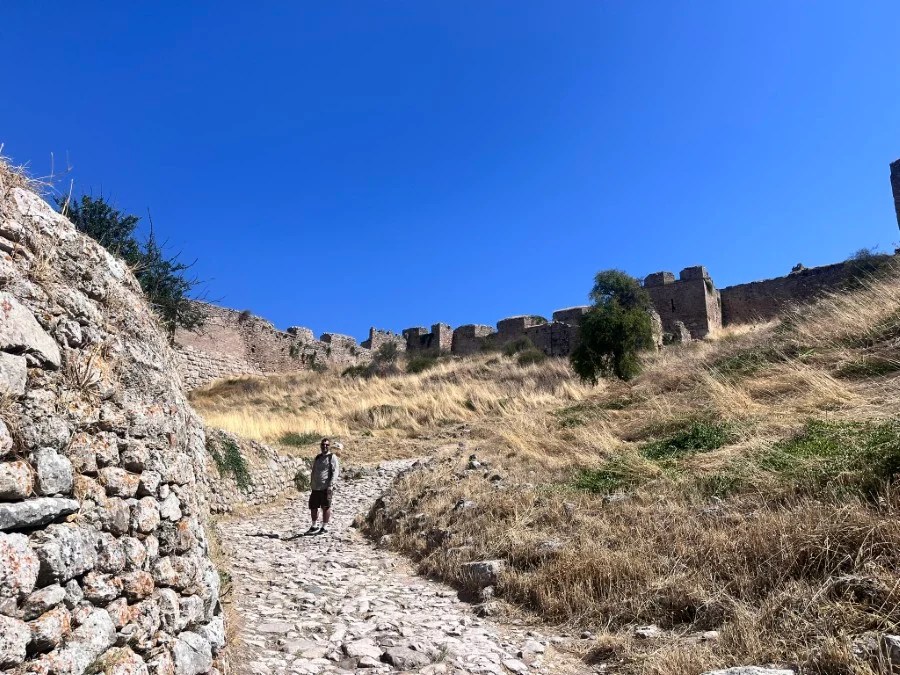
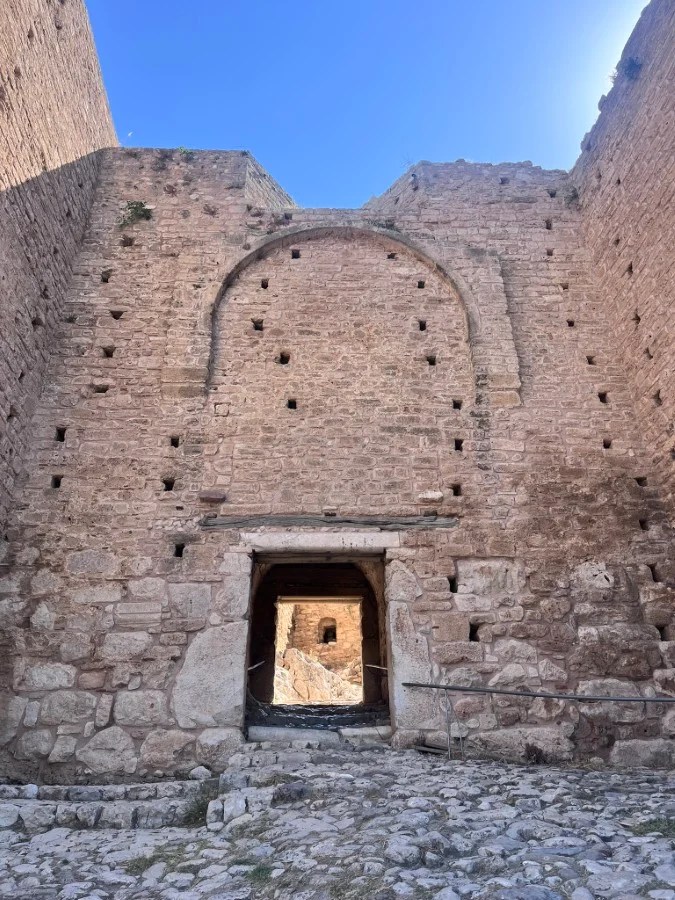
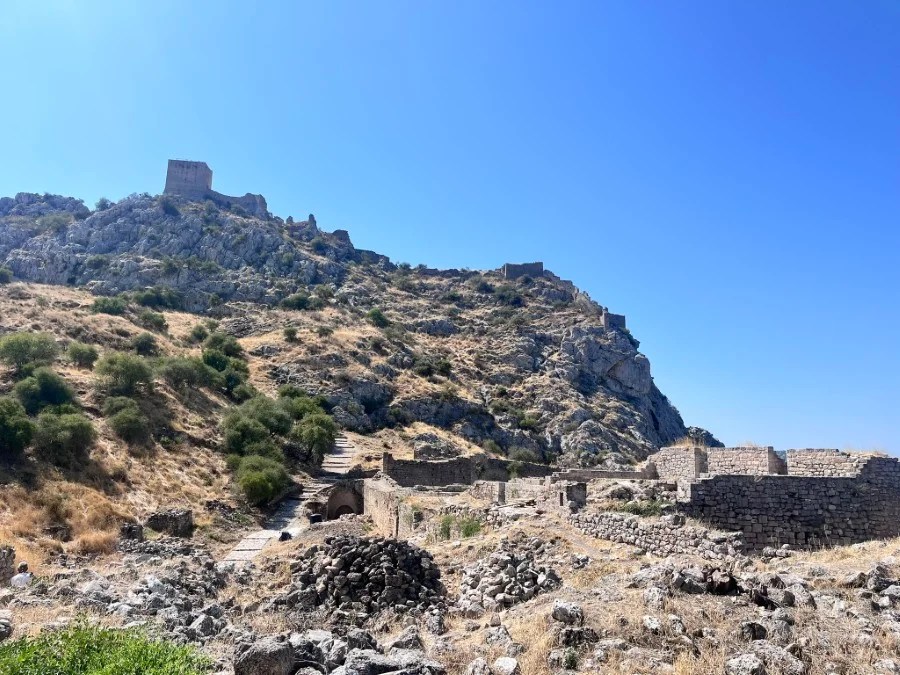
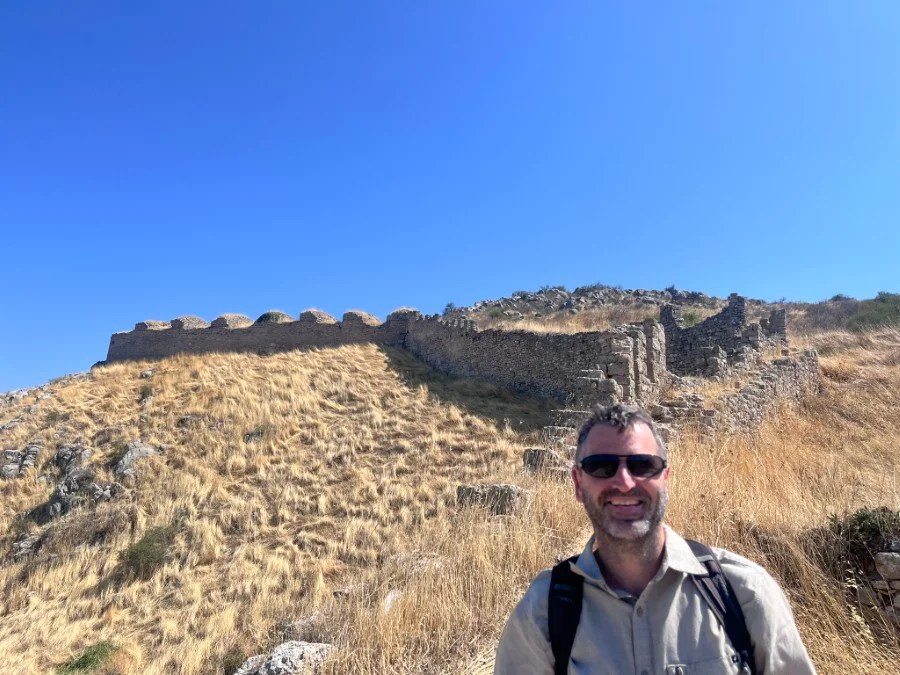
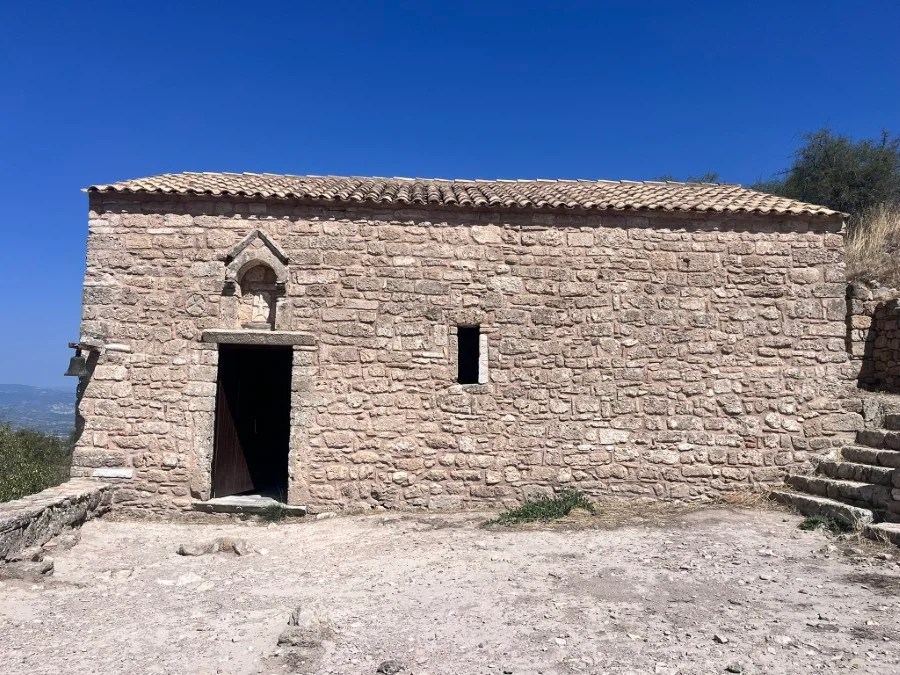
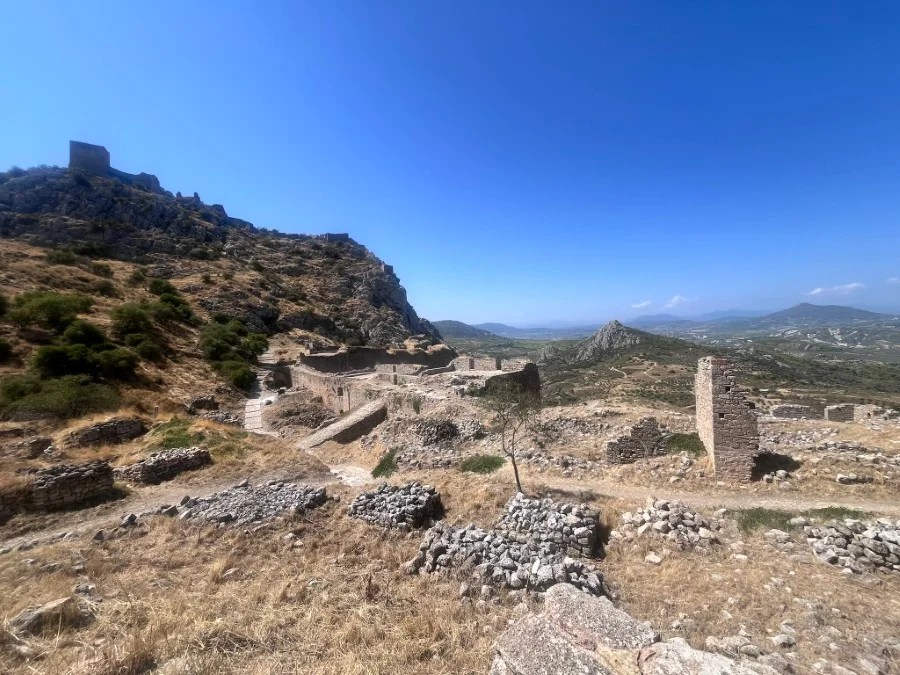
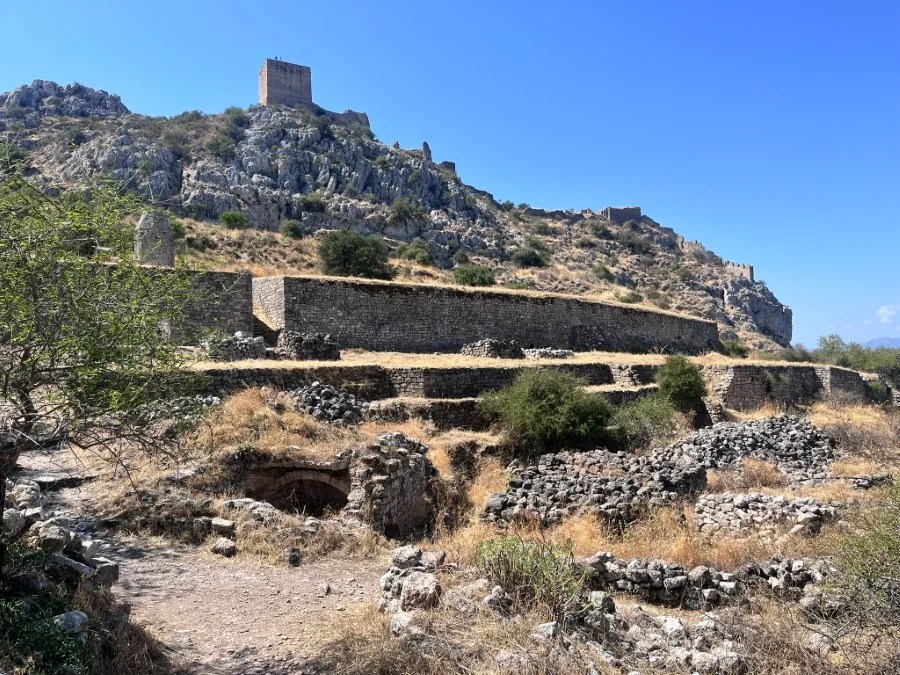
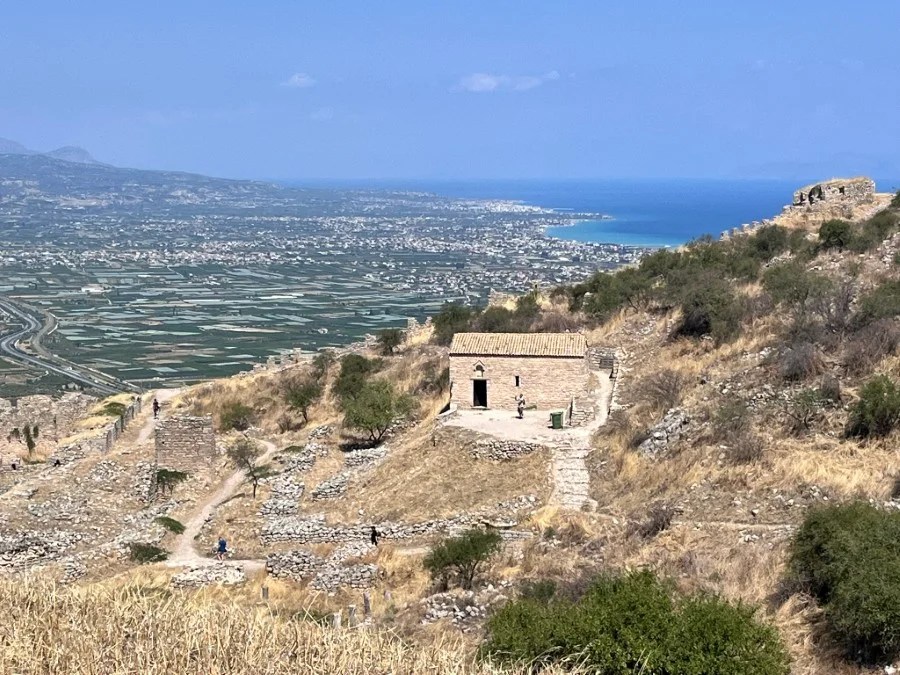
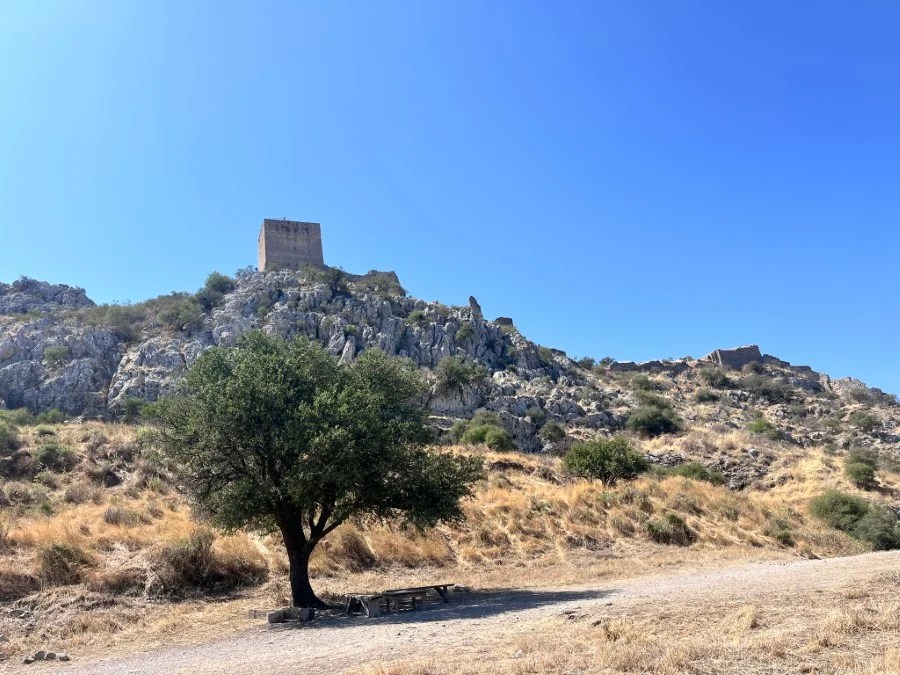
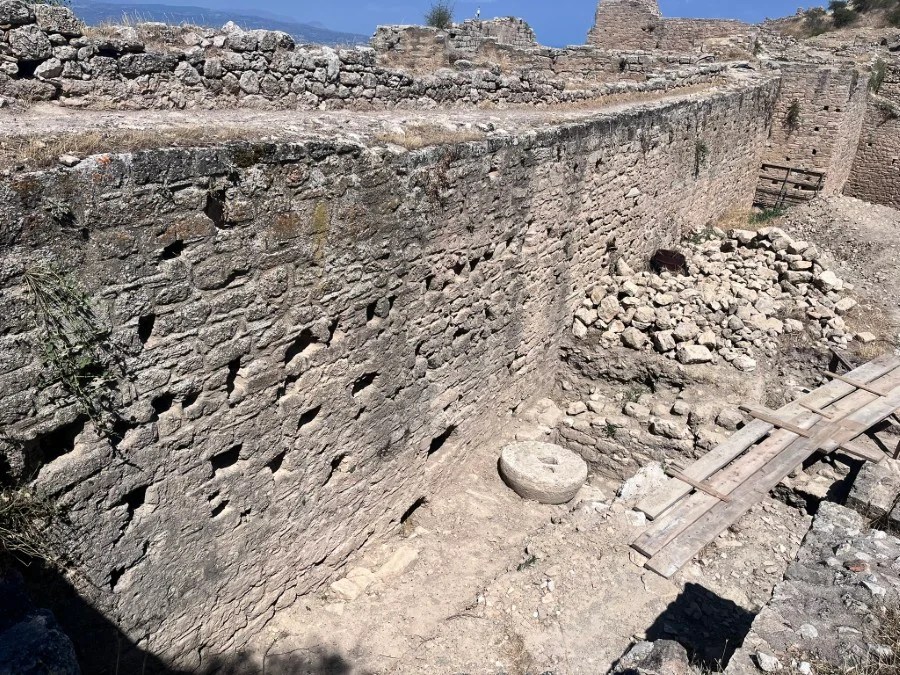
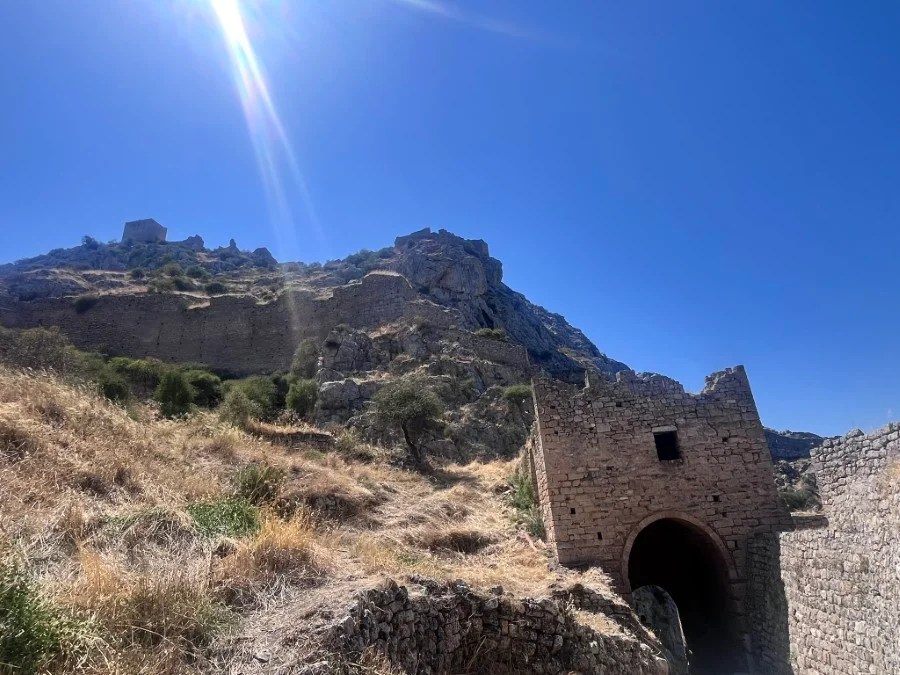
One morning, R and I decided to go and visit the big castle up on top of the mountain that overlooks Corinth. It is normally open until 3pm, but when we arrived at 11am, they told us that they were closing that day at 12 due to high winds and high risk of fires. So, this meant that we could not climb all the way up to the highest tower, but we were able to see most of it and enjoy the views.
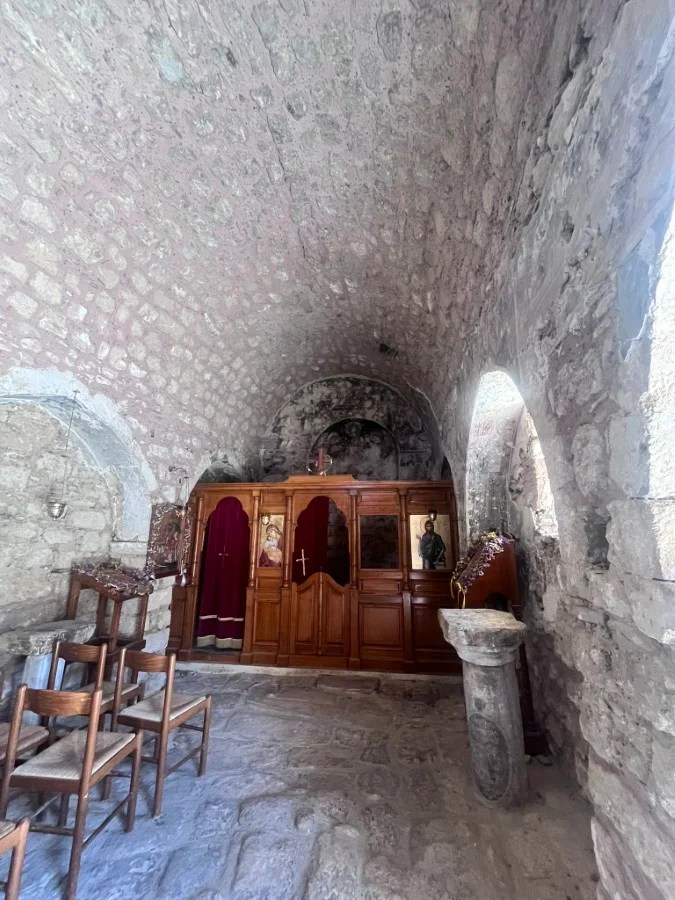
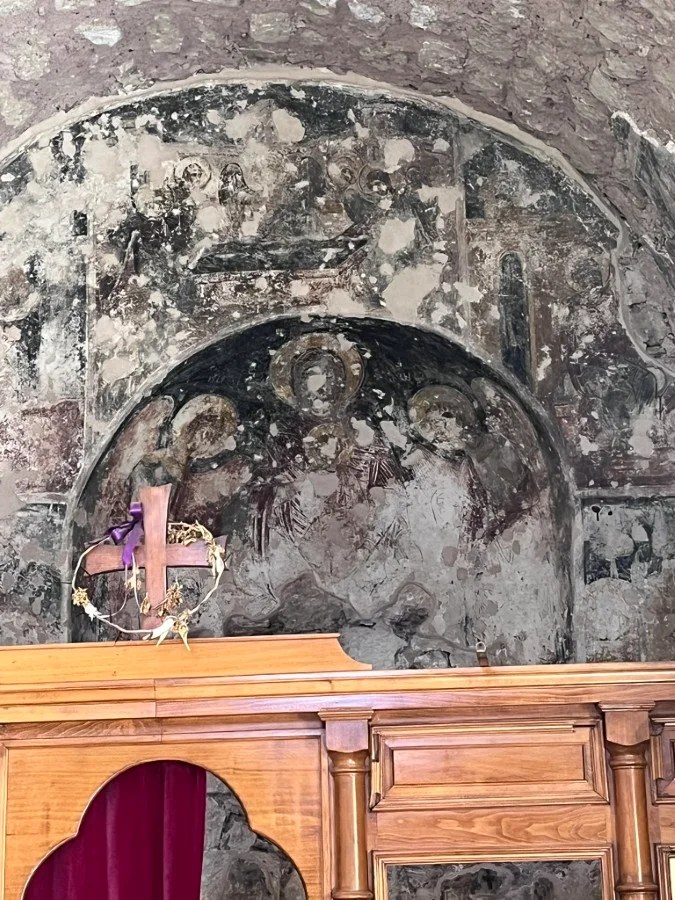
Acrocorinth was occupied from ancient times through to the 19th century. Some of the walls were built by the ancient Greeks. Then, the Romans came and added some walls, buildings and churches. Then the Byzantines came and expanded it quite significantly and added a few mosques into the complex.
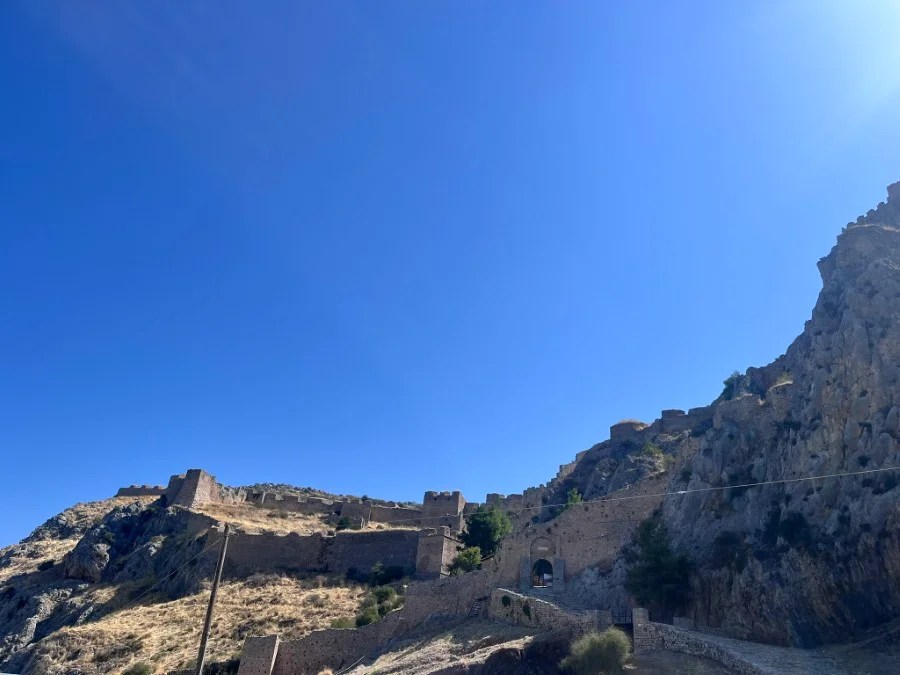
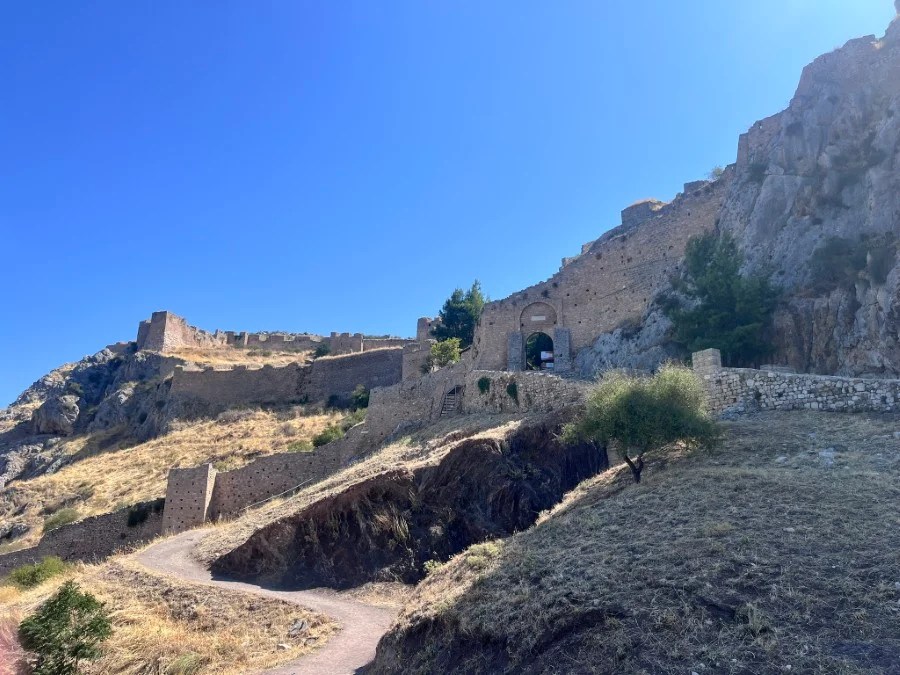
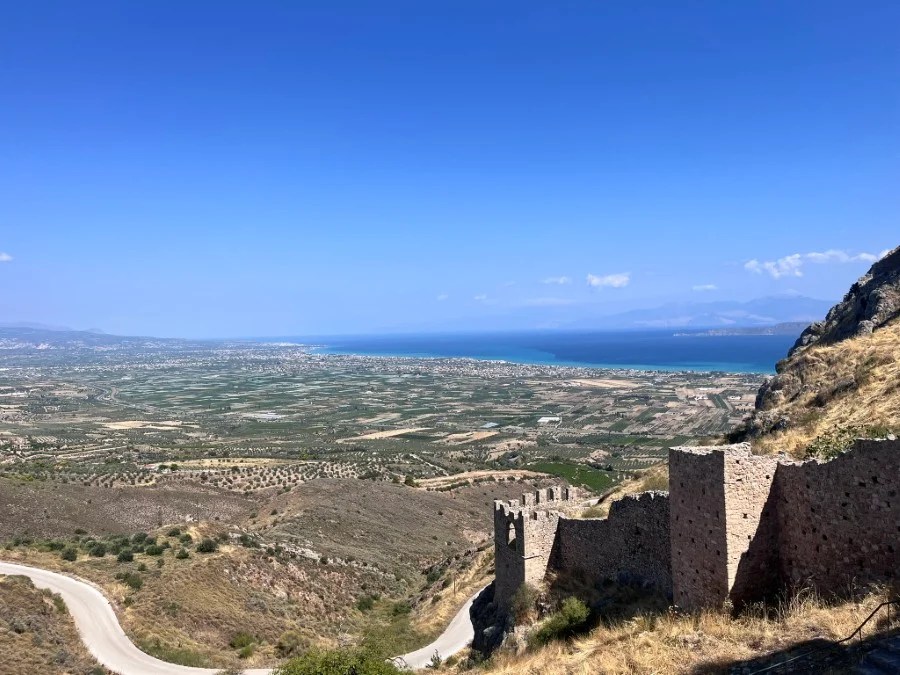
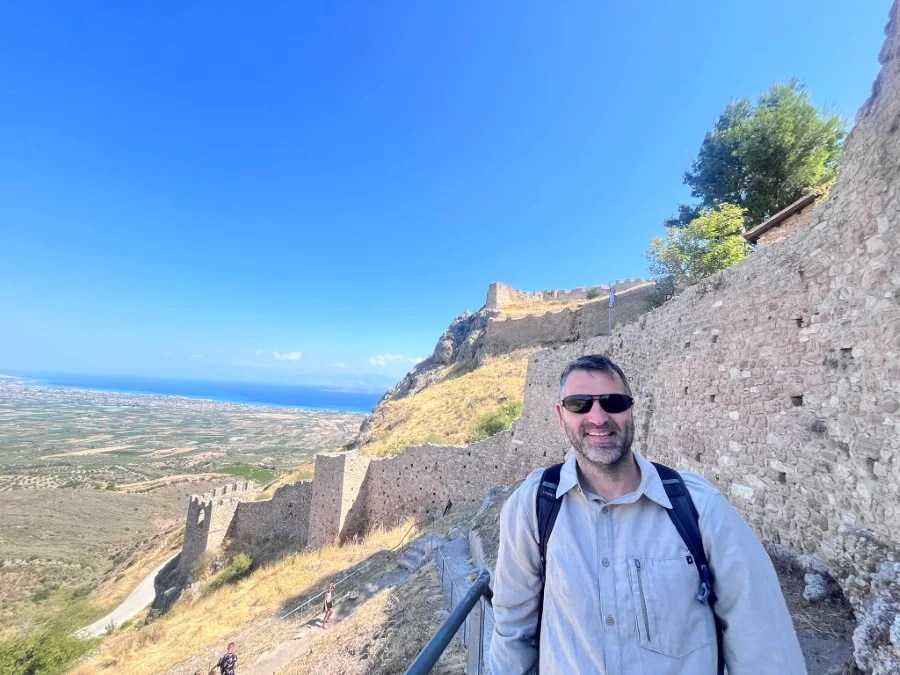
Ancient Corinth
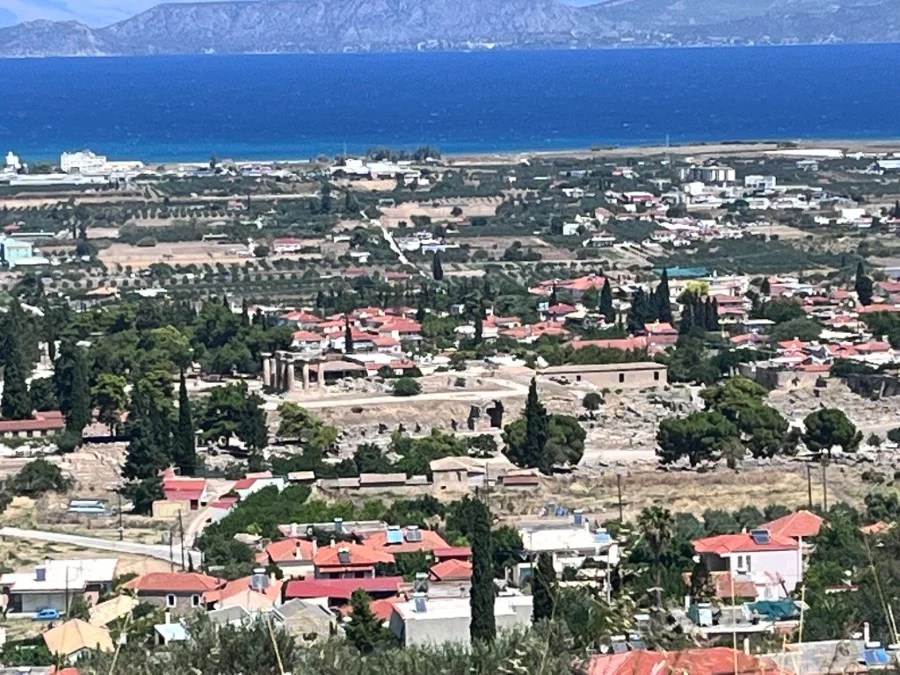
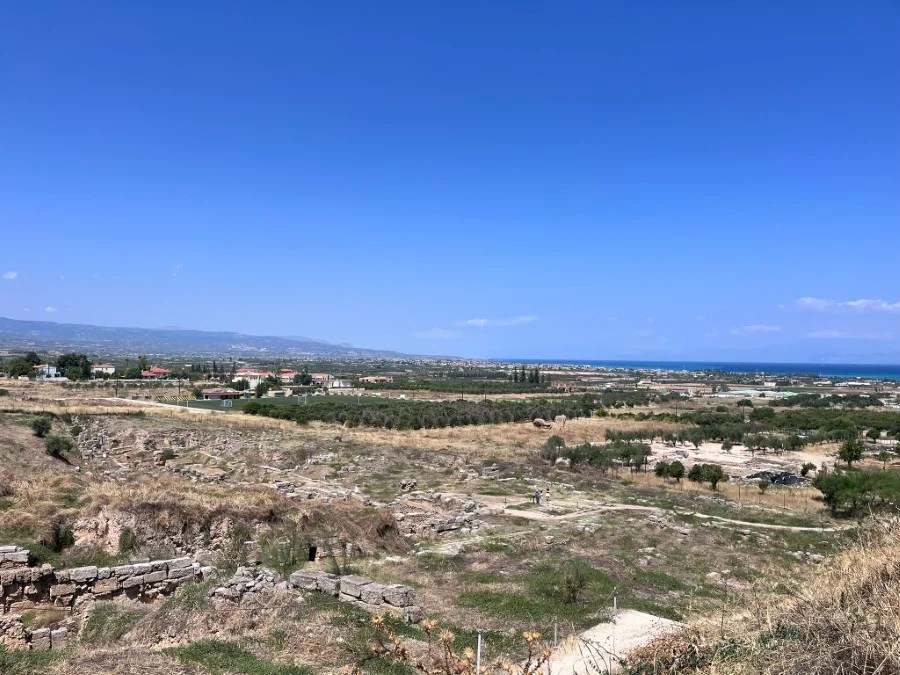
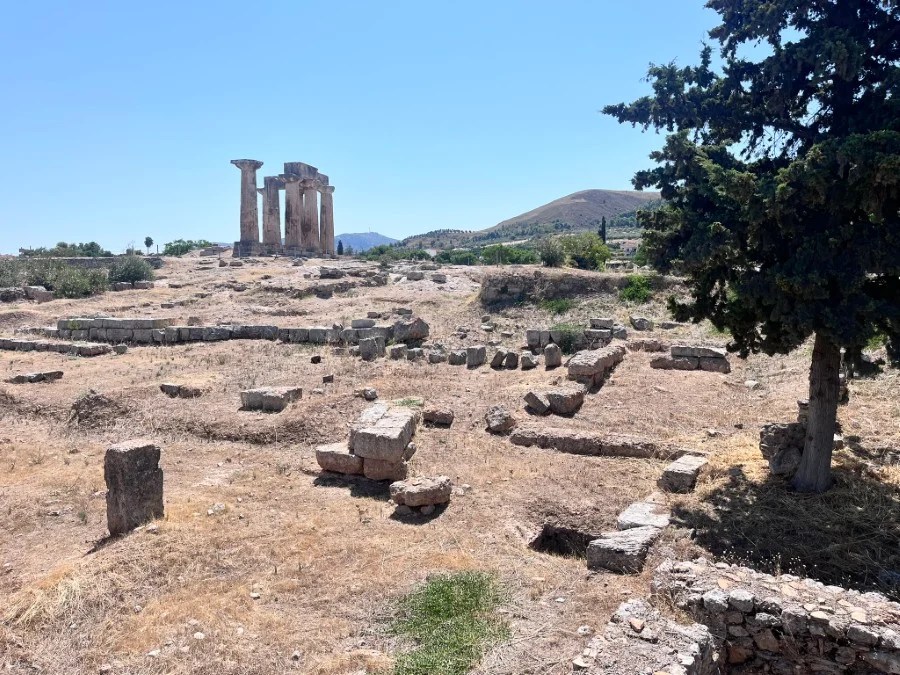
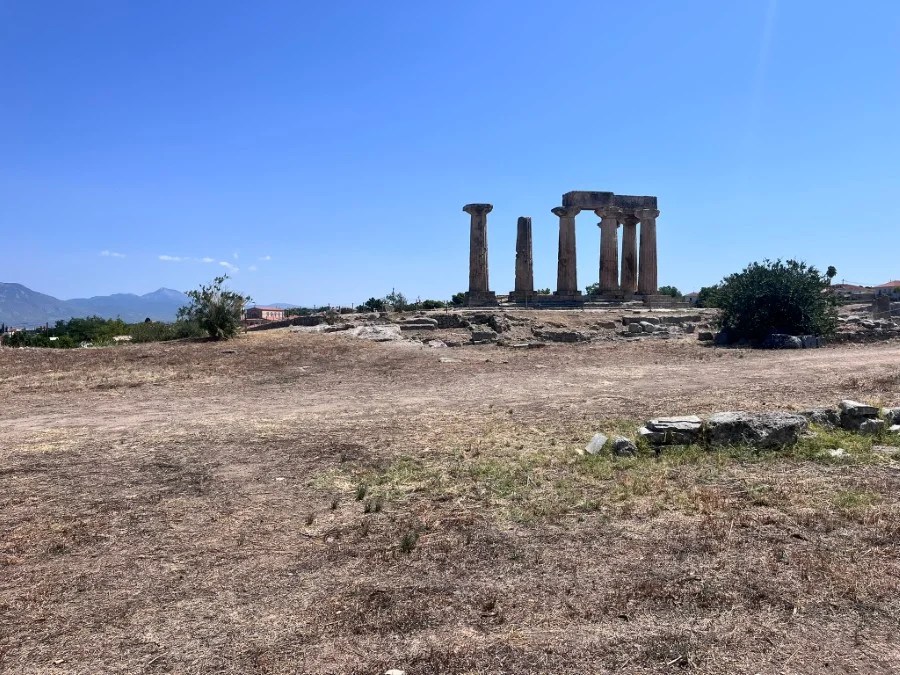
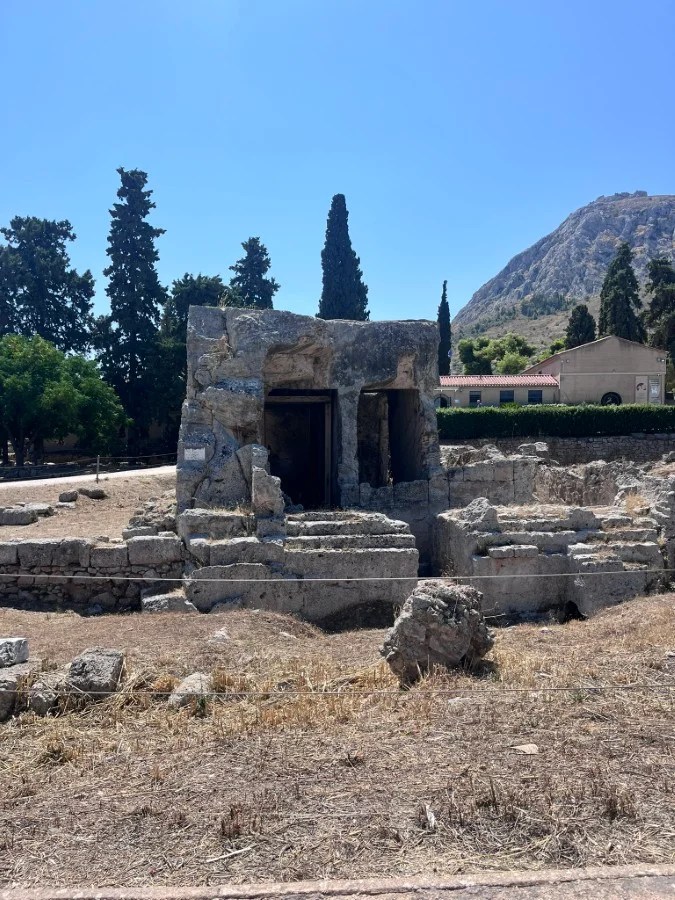
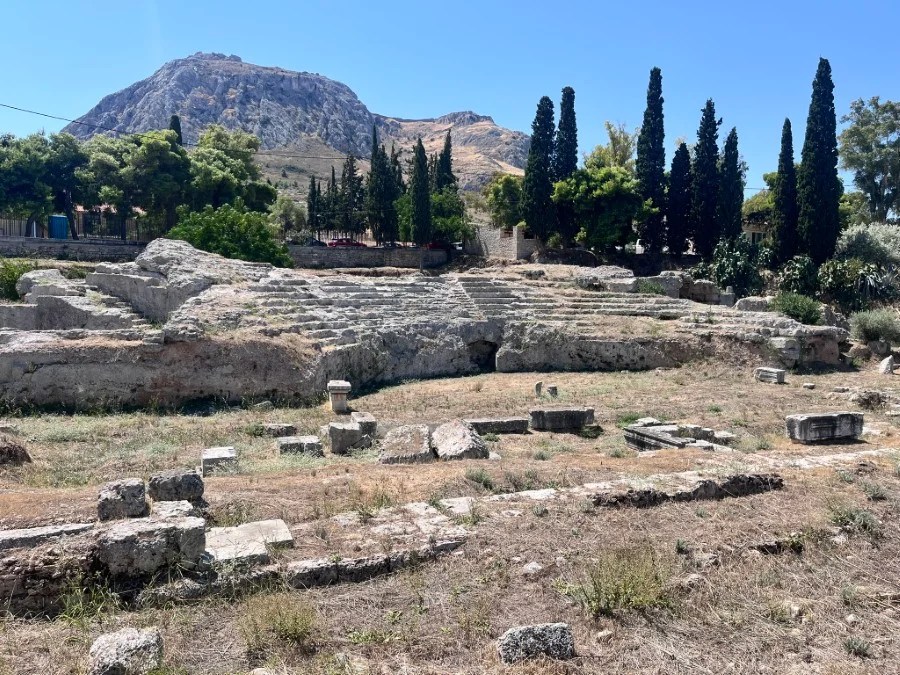
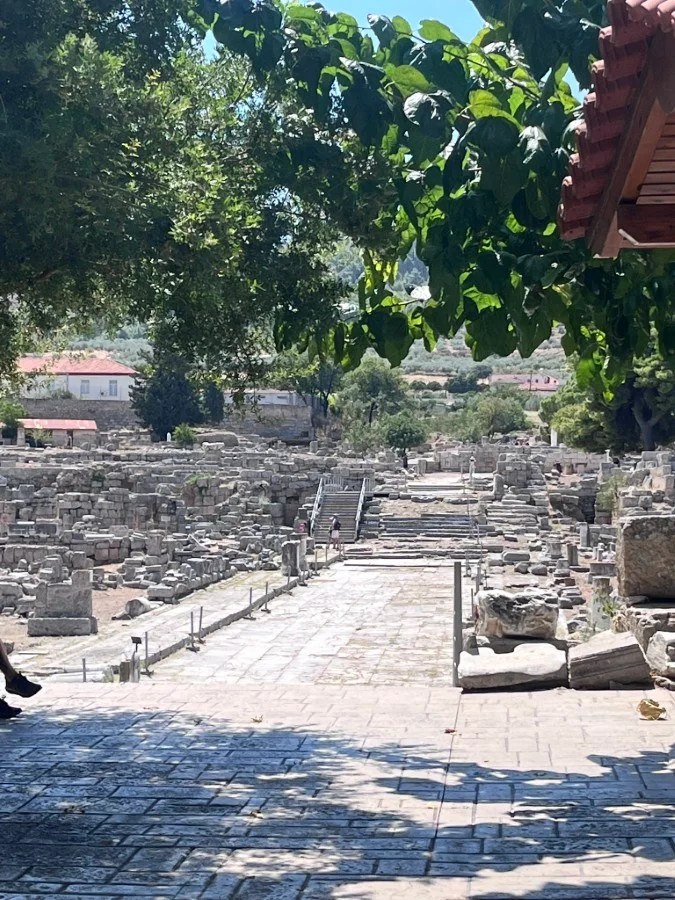
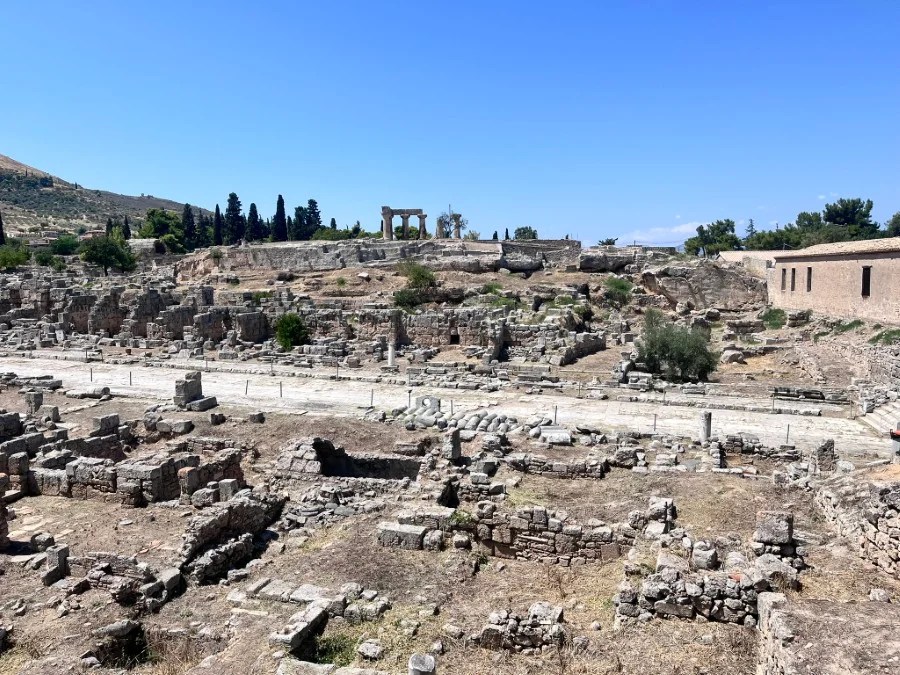
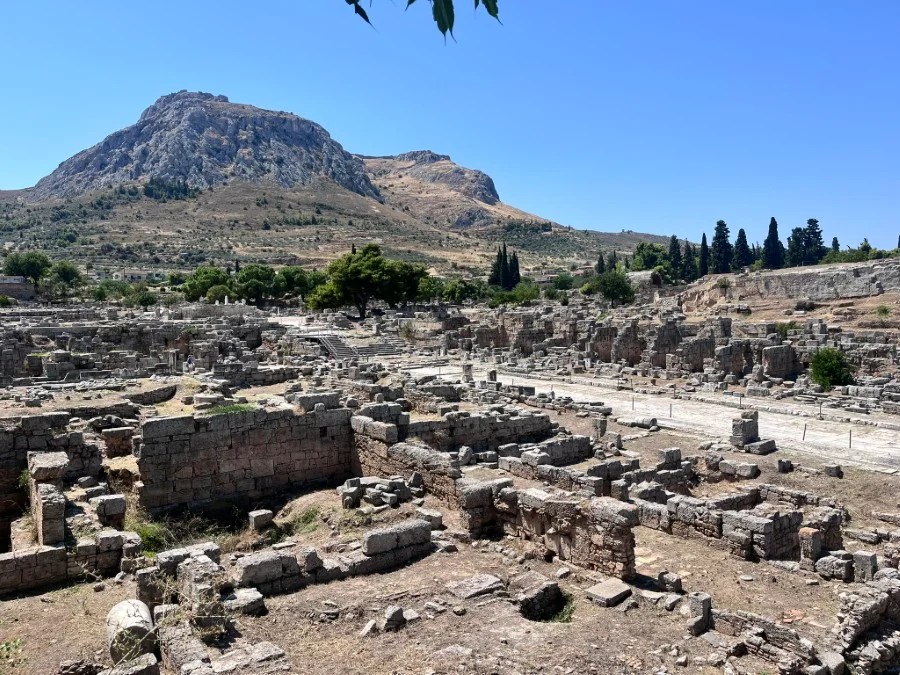
After visiting Acrocorinth, we decided to head down the mountain and check out Ancient Corinth, which we could see on the drive from the mountain (see photo below). We didn’t want to pay the entrance fee to go in, but luckily for us, the site has a see-through fence the whole way around, so we took a walk and checked it out.
That was the end of our month in the Peloponnese. Next stop was Durres, Albania, but we had 4 days to get there.
Discover more from Kids Travel World
Subscribe to get the latest posts sent to your email.


Nolita Lee
cool